Local Hardwood Floor Staining for Highland Park Homes


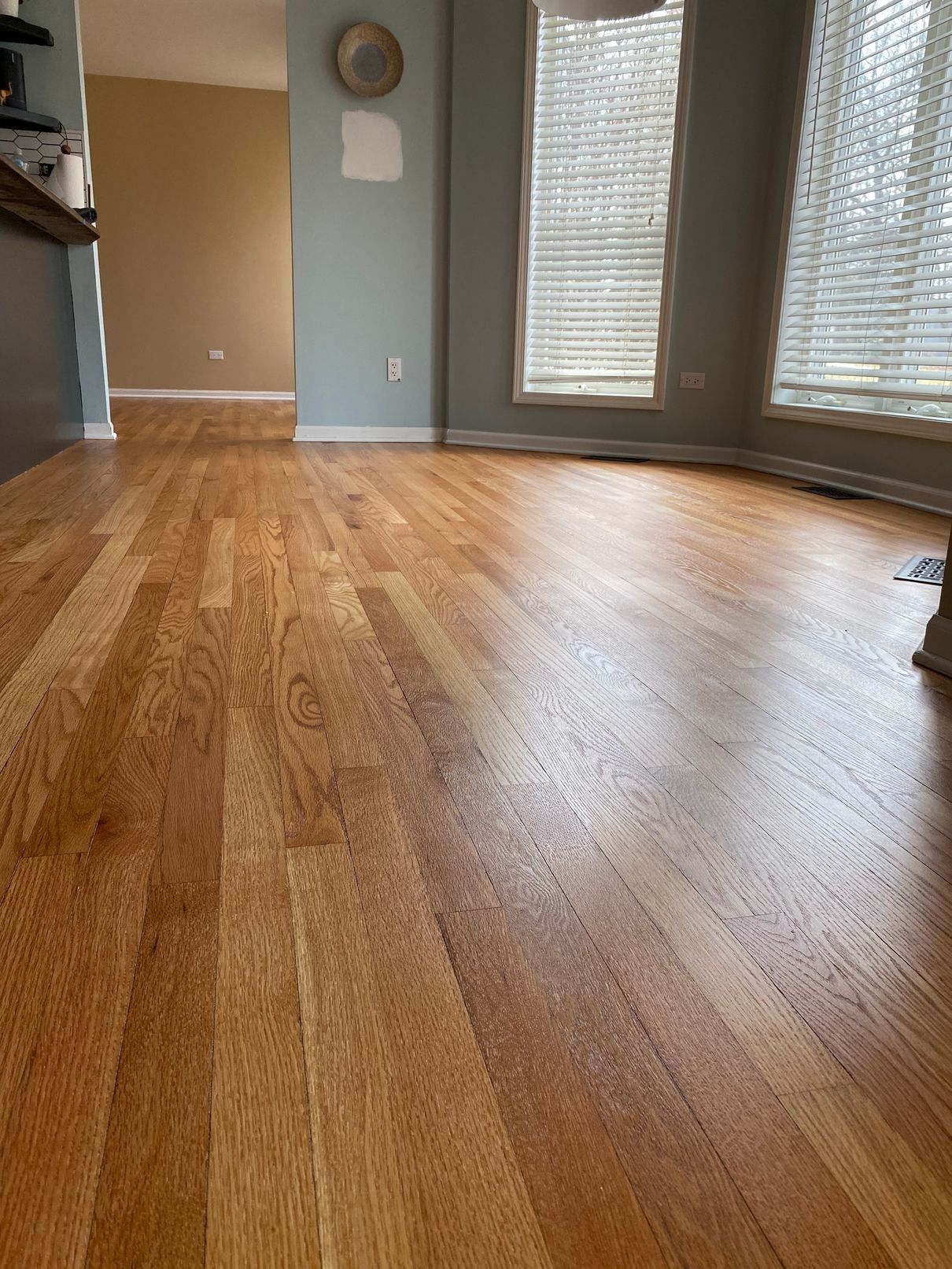
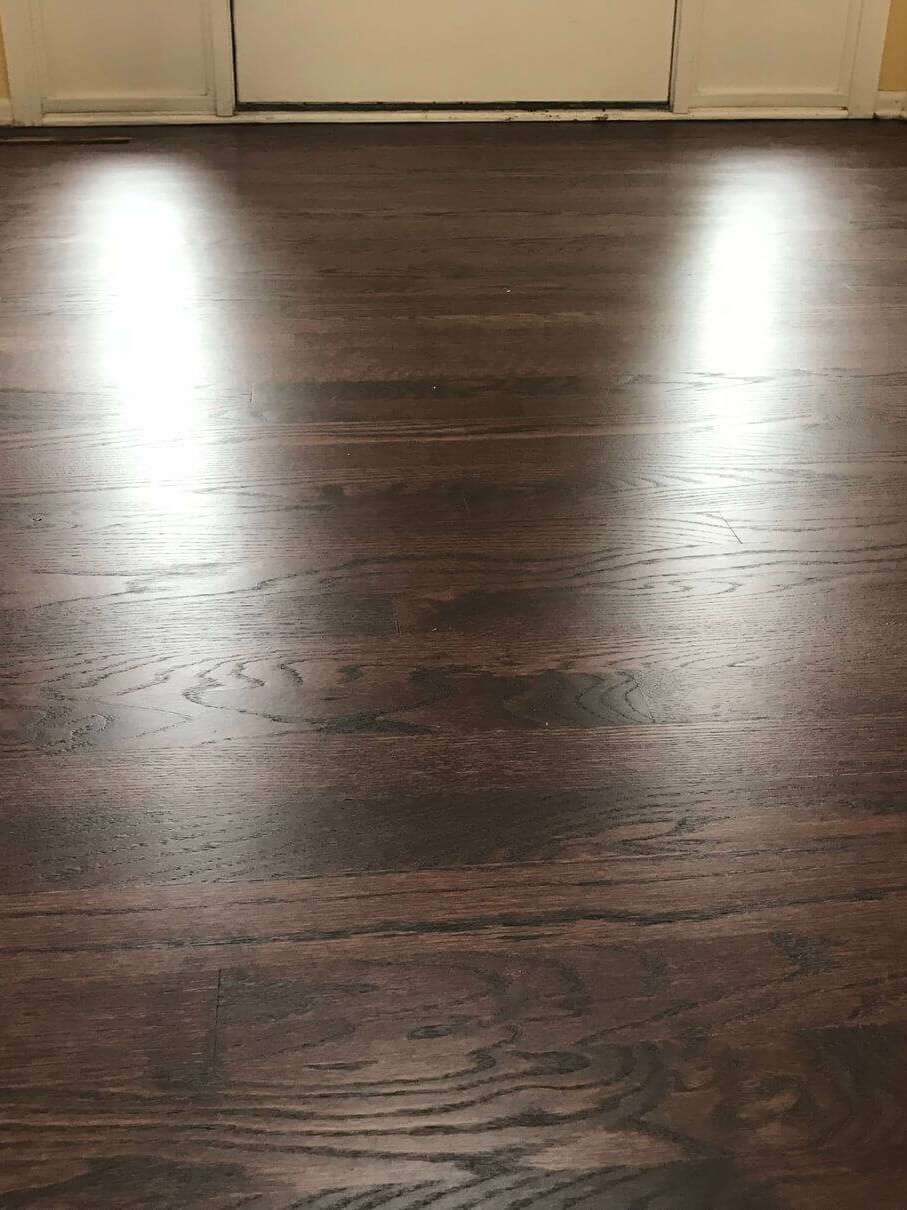
Big Bro Hardwood is an owner-operated hardwood floor staining company serving Highland Park, IL. We sand existing wood floors back to bare wood and give them a completely new color, so you can change the look without replacing the floor. A lot of what we do here is updating the orange, amber, and golden oak tones common in Highland Park’s Colonial, Tudor, and mid-century homes, moving them toward natural, greige, deeper brown, or other more current tones that feel right for the space. Red oak is especially common in this area, and we know exactly how its natural pink undertone behaves under different stains.
Color depends on your wood, not just the sample. We test stains right on your sanded floor before committing, and we are honest about what your species can and cannot do. Free in-home estimate within 24 hours across Highland Park and nearby suburbs.
Hardwood Floor Staining Service Highlights
Owner-operated Company
On-Floor Samples Before Approval
80% of Clients Refer Us
Custom Stain Colors
Why Stain Hardwood Floors in Your Highland Park Home
Staining is one of the easiest ways to change the look of existing hardwood flooring without replacing it. In many Highland Park homes, a proper sanding process and new stain can update color, improve wear patterns, and bring older wood floors back to a cleaner, more natural look.
- Change the look. A new stain can shift the floor away from orange, red, or dated tones without removing the original wood.
- Refresh worn floors. After sanding to bare wood, the floor can look cleaner, more even, and easier to live with.
- Work with your home. Updated color helps the hardwood fit better with trim, cabinets, walls, and nearby stairs.
- Handle daily wear better. The right finish can make scratches and traffic patterns less distracting in high-traffic areas.
- Keep the floor you already have. If the boards are in decent shape, staining services are often a smarter move than full replacement.
- Improve more than color. A good wood floor sanding and staining job also removes the previous finish and adds a more durable surface.
- Get a better result. Good color depends on prep, proper equipment, and how the floor takes stain, especially in areas with dust, wear, or poor condition.
- Save bigger work for later. Staining can give the room a visible update without jumping into a new hardwood floor or full flooring installation.
Our Hardwood Floor Staining Process in Highland Park, Illinois
Our process is simple and fully managed: clear scheduling, dust-controlled work, and straightforward communication. We handle prep, sanding, color testing, and finish application, so hardwood floor sanding and staining in Highland Park, IL feels organized, not stressful.
Timeline at a glance for hardwood floor staining:
≤300 sq ft
2 to 3 days
800 to 1,200 sq ft
3 to 5 days
1
Inspect and Plan
We start with the condition of the existing hardwood flooring, not just the color. We look at the species, the previous finish, visible scratches, areas of heavy wear, and whether the floor is in poor condition anywhere. You get a clear scope, stain direction, and a free estimate before work begins.
2
Protect the Room and Prep the Area
Before the sanding process starts, we protect the work area and plan for furniture, nearby rooms, and traffic through the home. Good prep helps control dust, protects adjacent surfaces, and keeps the job cleaner in lived-in Highland Park homes, especially around doorways, trim, and transitions to stairs.
3
Sand to Bare Wood
For stain to absorb correctly, the floor has to be taken back to bare wood. We remove the old previous finish, level out wear patterns where possible, and prep the surface with the right proper equipment so the new stain goes on more evenly. This step matters most in high traffic areas where old finish and color usually break down first.
4
Test the Stain and Confirm the Color
Color should be chosen on the actual floor, not from a screen. We place sample options on the sanded wood, explain how they read in your lighting, and give expert advice on what works best with your home, your existing wood floors, and the overall look you want. That is one of the biggest differences between basic staining services and a well-managed job.
5
Apply Stain and Protective Finish
Once the color is approved, we apply the stain and follow with the selected finish system. The exact steps can vary depending on the floor, the color, and the finish choice, but the goal is always the same: even color, a cleaner look, and a more durable surface for daily use. This is where the floor starts to show its natural beauty again.
6
Final Check and Care Guidance
At the end of the job, we review the finished floor with you and go over what happens next. We explain when to walk on the floor, when to move furniture back, and how to protect the new finish from early wear, moisture, and accidental damage like spills immediately after the work is completed.
Hardwood Floor Staining Cost in Highland Park
The cost of hardwood floor staining in Highland Park, IL, depends on whether you are pricing the stain portion itself or the full sanding, color, and finish process. In most homes, staining services are part of a larger scope because the floor has to be taken to bare wood, the previous finish has to be removed, and the new stain has to be sealed properly for a durable result.
| Package / Scope | Typical Use | Starting Price* | Includes |
|---|---|---|---|
| Stain Add-On | Adding color during a standard refinish | +$1.0 to $2.0 / sq ft | Color selection, stain application, and stain-related labor after the full sanding process |
| Full Sand, Stain & Refinish | Existing wood floors that need full color change and new finish | From $4 / sq ft | Sand to bare wood, remove previous finish, apply stain, standard finish system, and cleanup |
*Pricing shown is a starting point. Final cost can vary depending on square footage, floor condition, wood species, custom color testing, and whether the floor has deep scratches, heavy buildup, or areas in poor condition. Moving furniture, extra prep, and any needed repairs are usually priced separately. For a more detailed breakdown of full sanding and refinishing pricing, see the Hardwood Floor Refinishing page or calculate hardwood floor staining and refinishing cost.
Why Highland Park Homeowners Choose Big Bro Hardwood for Floor Staining
Highland Park’s mix of century-old colonials, post-war ranches, and newer custom homes means every staining project has its own starting point. Choosing the right company matters because the wood, the neighborhood, and the result are all different. Here is what we bring to every job.
Repairs Blended Before Staining
Old patches, replaced boards, and pet-stained areas rarely take stain the same way the surrounding floor does. Before we open a single can, we walk the floor with you and point out where color variation may remain after staining. If boards need to be replaced, we work to match the species, width, and grain as closely as the existing floor allows, so repairs do not become the first thing you notice after the job is done.
Prep and Sanding Come First
Color is only as good as the surface underneath it. We sand the floor back to bare, clean wood before any stain touches it, removing the old finish fully and addressing wear, scratches, and uneven spots along the way. Skipping or rushing that step is where staining projects go wrong. We use proper equipment and take the time the prep work actually requires, especially in rooms that have seen years of foot traffic.
Color Guidance Before We Commit
We do not hand you a color fan deck and walk away. We talk through tone, undertones, and how your lighting and wood species will affect the final look. Then we test stains on your actual floor after sanding, because a sample card in a showroom and a stain on your sanded red oak in your living room can look very different. You see the real result before we move forward.
17+ Years, Local Crew
We have been doing this work since 2008, and most of our jobs come from referrals, which tells you something about how projects tend to go. Our crew has worked on hardwood floors across 30+ suburbs in the area, including plenty of the older and mixed-era homes common throughout Highland Park. That experience shows up in the details: reading wood that has aged near lake-facing windows, handling transitions, and keeping the work tidy around trim and stairs.
Staining Matched to the Wood Species
Not every wood takes stain the same way. White oak tends to accept color cleanly. Red oak carries a natural pink undertone that can fight gray and cooler tones. Maple and some older pine floors can absorb stain unevenly if the surface is not prepared carefully. We look at the species, grain, and age of your floor before we choose an approach, and we are upfront if a certain color is going to fight the wood rather than work with it.
Dust-Controlled for a Cleaner Home
Sanding a hardwood floor produces a significant amount of fine dust, and in a lived-in home that dust can spread fast. We use our Atomic Dust Containment System with HEPA-filtered Festool vacuums, capturing roughly 95-98% of dust at the source. That matters whether you are in a single-family home in Ravinia or a condo near downtown Highland Park where shared hallways and neighbors are part of the picture.
Hardwood Floor Stain Colors and Color Matching in Highland Park
Color is what most Highland Park homeowners worry about most when they consider staining: will it actually look like the sample chip, is the shade they have in mind even possible on their wood, and will it tie in with the rest of the house. Here is how we think about color on Highland Park floors, and what is realistic before a drop of stain goes down.
- Moving away from dated amber oak. A large share of Highland Park homes, especially those built from the post-war era through the 1970s, have red oak floors that have sat under an orange or amber finish for decades. We can shift that toward a natural, greige, or deeper brown tone. We show you on your own sanded floor how far the color can realistically move, because the wood itself still has a say in the final result.
- The honest truth about gray and white on red oak. Red oak carries a natural pink undertone that resists true gray and white stains. On older North Shore floors with that warm base, pushing too far toward cool gray can read blotchy or faintly pinkish rather than clean. We tell you this upfront, and when a slightly adjusted tone gives a cleaner, more consistent result, we say so before anything is committed.
- How big windows change the color read. Highland Park homes, particularly those near the lakefront and Ravinia area, often have large windows and strong natural light. Older wood near those windows fades differently than wood in darker corners, so a color card match is rarely realistic. We sand a test area and evaluate the stain under your actual lighting before we move forward.
- Even color on older or mixed wood. Colonial revivals, Tudors, and mid-century ranches in Highland Park often have floors that were repaired, patched, or refinished at different points over the years. Vintage oak and maple absorb stain unevenly, and old finish residue can cause blotching. Careful bare-wood prep and a wood conditioner where the grain calls for it keep the color consistent across the whole floor.
- Clear finish versus stain. Not every Highland Park floor needs color added. Sometimes a natural clear finish that opens up the grain and brightens the wood is the better call, especially on white oak or maple that already has a tone worth keeping. We help you decide whether to deepen, neutralize, or leave the color close to natural before you commit to anything.
- Low-odor options for condos near downtown. Highland Park has a number of condos and townhomes, particularly around the downtown corridor and along main arterials. In those settings, we use low-VOC stains and finishes, plan ventilation carefully, and work within HOA quiet hours, so the color change is manageable for you and your neighbors.
Whatever shade you are after, we test it on your floor first, so the color you approve in your own light is the color you get. And if your wood cannot get there cleanly, we tell you before any stain touches the floor.
Get your free estimate today
Contact UsFrequently Asked Questions
My Highland Park home was built in the 1920s and still has the original red oak floors. Can those be stained a modern color?
Yes, and we do this kind of work often in older Highland Park homes. The important thing to know upfront is that red oak carries a natural pink undertone that can fight gray and white stains, sometimes reading blotchy or pinkish rather than clean and cool. We sand your floor back to bare wood and test stains directly on your actual boards before committing to anything. A slightly warmer greige or a deeper brown often lands cleaner than a true gray on century-old red oak. We will be honest with you about what your floor can realistically do.
Highland Park gets cold, dry winters and humid summers. Does that affect when we should stain our floors?
It really does. Seasonal humidity swings here can cause hardwood to move, cup, or gap, and those same conditions affect how stain absorbs and how finish cures. We prefer to work when indoor conditions are reasonably stable, and we recommend keeping your home at a consistent temperature and humidity during and after the project. Proper acclimation and a durable finish system matter a lot in a Lake County climate. If your floor has existing cupping or gaps from moisture movement, we will flag that before we start sanding.
We have white oak floors in a newer custom home near the Ravinia area. Can we go lighter or more natural without it looking orange?
White oak is actually one of the best species for achieving clean, cool, or natural tones. It does not carry the pink undertone that red oak does, so lighter stains, greige tones, and even certain whitewash effects tend to land much more evenly. A clear or lightly tinted natural finish can also brighten white oak beautifully without any added color at all. We sand a test area on your floor and show you real results in your actual lighting before you decide. That step matters a lot in rooms with strong north or lake-facing light.
We live in a condo near downtown Highland Park. Will the staining process be a problem with our HOA or neighbors?
Condo projects just need a bit more planning, and we are used to that. We use low-VOC, low-odor stains and finishes from Bona and Loba, which helps with ventilation requirements and neighbor concerns. Our Atomic Dust Containment System with HEPA-filtered vacuums captures roughly 95-98% of sanding dust, which matters when you share hallways and elevators. We work within HOA quiet hours and protect common areas during the job. Dry and cure times can run a little longer with less airflow in condo units, so we factor that into the schedule from the start.
Can red oak floors actually go gray or white, or is that just not realistic?
It depends on the floor and how far you want to push it. A soft greige or a warm light tone is usually achievable on red oak. A true cool gray or bright white is harder because the natural pink undertone in red oak fights those tones and can look uneven or muddy. We never just hand you a color card and hope for the best. We test on your sanded floor and show you what the actual result looks like in your space. Sometimes a slightly adjusted tone gives you the feel you want with a much cleaner outcome.
Part of our floor faded near a big window. Can you match the rest of the floor to that area?
Matching is one of the trickier parts of staining, and we want to set realistic expectations. Wood ages and fades unevenly, especially near windows with strong sun exposure. A color card match almost never works on older floors because the aged wood absorbs stain differently than the original surface did. What we do is sand a test area, look at how your specific boards are taking color, and adjust the stain blend from there. We get you as close as possible given your species, age, and lighting. Use our cost calculator to start thinking about project scope.
How long will the whole staining project take, and can we stay in the house?
Most staining projects run about 2-4 days from sanding through the first finish coats and initial dry time. The exact timeline depends on room size, floor condition, how much color testing is needed, and the finish system we use. You can often return to light foot traffic around 24 hours after the final coat, but the floor is still curing and scuffs easily at that stage. Furniture goes back after about 3 days, and area rugs should wait until full cure. Whether staying home is practical depends on ventilation, odor sensitivity, and which rooms are being done.
Do we have to pick a stain color before the project starts, or do you test it on our floor first?
We always test on your actual floor first. Picking a color from a sample board in a showroom is a starting point, not a commitment. The real result depends on your specific wood species, the grain pattern, the age of the boards, and the lighting in your home. We sand a section of your floor to bare wood, apply a few options you are considering, and let you see them in your own space before we move forward. That process protects you from surprises and is just how honest staining work should be done in any Highland Park home.


