

 5.0
5.0


How Much Does It Cost to Replace Carpet with Hardwood Floors?
02/27/2026
Reading Time ~ 14 minutes
 Donatas

Table of Contents
- What Is the Average Cost per Square Foot to Replace Carpet with Hardwood?
- Why Replace Carpet with Hardwood Floors?
- What Factors Affect the Total Cost to Replace Carpet with Hardwood?
- How Much Does It Cost to Replace Carpeted Stairs with Hardwood?
- How Can You Reduce the Cost of Replacing Carpet with Hardwood?
- Is It Worth Replacing Carpet with Hardwood?
- What Are Affordable Flooring Options If Hardwood Is Out of Budget?
Replacing carpet with hardwood can make a home feel cleaner, more durable, and more polished the second you walk in. The real question is the budget: how much does it cost to replace carpet with hardwood in a typical US home, and which line items actually move the total?
This is a practical cost to replace carpet with hardwood guide for residential rooms, hallways, and stairs, written as a handy pricing checklist plus a breakdown of carpet removal and hardwood flooring installation costs.
A reliable average cost to replace carpet with hardwood comes from separating demo, subfloor prep, and install labor as distinct unit prices instead of trusting a single blended total.
- Typical carpet removal and floor installation cost is driven by demo, subfloor prep, and install labor, not by one single average.
- Removing carpet and staple cleanup often runs about $0.70 to $1.60 per sq ft for staple-down carpet and pad, while glue-down carpet usually costs more because scraping is labor intensive.
- Install hardwood labor commonly falls around $3 to $6 per square foot for nail-down or floating work, with glue-down labor often higher due to adhesive steps.
- The biggest reasons your number moves are wood species, subfloor leveling, moisture barrier needs, trim and transitions, and stairs priced per step.
What Is the Average Cost per Square Foot to Replace Carpet with Hardwood?
The average cost to replace carpet with hardwood is usually $6 to $25 per sq ft for a straightforward residential conversion. The spread is wide because the same square footage can be a quick installation or a prep-heavy project once the old carpet comes up.
| Area Size (sq ft) | Typical Total Cost Range |
|---|---|
| 150 sq ft | $900 to $3,750 |
| 250 sq ft | $1,500 to $6,250 |
| 500 sq ft | $3,000 to $12,500 |
| 1,000 sq ft | $6,000 to $25,000 |
These ranges typically assume standard carpet removal, basic subfloor prep, and professional installation of wood flooring. Totals run higher when the subfloor needs leveling, moisture protection, extra trim and transitions, or when stairs are included.
Why Replace Carpet with Hardwood Floors?
Most homeowners replace carpet with hardwood for a cleaner, longer-lasting floor that is easier to maintain and tends to hold up better in busy rooms. It is a classic home improvement move that can change how the whole space feels without changing the footprint.
- Easier upkeep: hardwood flooring does not trap debris the way carpet can, so routine cleaning is simpler.
- Better durability: Quality wood flooring handles heavy foot traffic longer than most wall-to-wall carpets, especially in hallways and living areas.
- A more finished look: Real hardwood delivers strong aesthetic appeal, and you can tune the style with plank width, finish sheen, and trim details.
- Stronger buyer appeal: Many buyers prefer hardwood over carpet, which can support perceived resale value and long-term value when the install is done well.
- More flexibility for comfort: If you miss the softness of carpet, an area rug gives warmth without going back to wall-to-wall. It’s A straightforward home improvement path to new flooring without changing the layout of the room.
What Factors Affect the Total Cost to Replace Carpet With Hardwood?
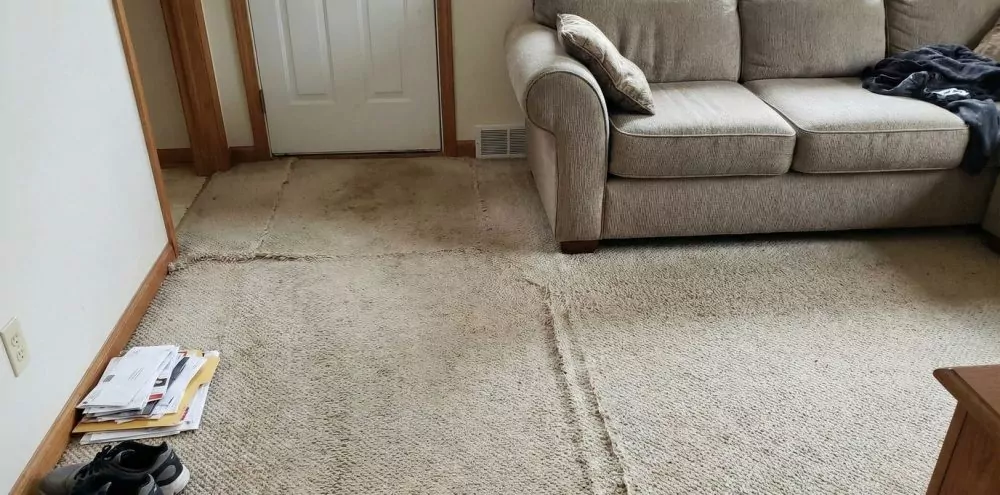
The cost to replace carpet is predictable when you break it into two buckets: carpet removal and installation costs for the new hardwood flooring. The price jumps when removal turns into a slow, messy job, or when the surface under the carpet needs extra prep before you install hardwood.
What Affects the Cost to Remove Carpet and Dispose of It?
Most carpet removal pricing comes down to how the carpet was attached, how much cleanup is left behind, and how far everything has to travel to get out of the house. In a typical staple-down room, removing carpet and staple cleanup often lands around $0.70 to $1.60 per sq ft.
- Carpet attachment method: Stapled-down carpet is usually the faster path and often fits inside that $0.70 to $1.60 per sq ft baseline, even with tack strips. Glue-down carpet is more labor intensive because adhesive scraping is slow, so glue-down removal often runs about $3 to $5 per sq ft when it has to be fully scraped clean.
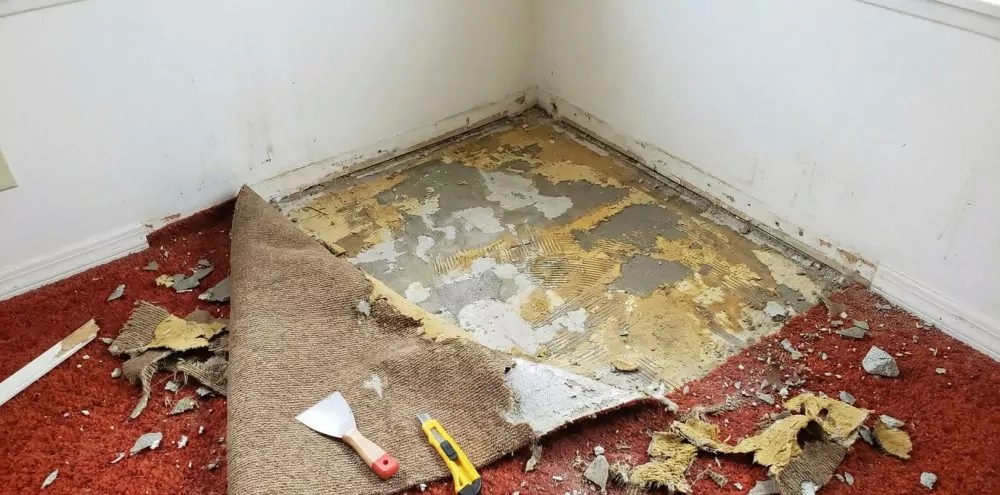
- Padding and staples: Thick pad and heavy staple density turn demo into detail work. That usually shows up as an extra $0.10 to $0.40 per sq ft for staple pulling and cleanup on top of basic tear-out.
- Stairs and landings: Carpet stairs take longer because every step has corners, tack points, and hand work. Instead of pricing by square foot, many crews price stairs per step, with carpet removal often adding about $2 to $20 per stair.
- Moving furniture: If you are moving furniture room to room, labor climbs because crews lose time staging and protecting pathways. This is commonly billed as an add-on, often around $0.20 to $0.30 per sq ft of the areas where furniture has to be shifted and re-set.
- Disposal plan: Haul-away is simple, but dumpster or dump runs can add disposal fees based on local rules. When disposal is itemized separately, it commonly adds about $0.40 to $0.60 per sq ft.
- Hidden cleanup: Pet urine spots, odor sealing, and extra scraping can create additional costs after the old carpet comes up. Spot sealing and prep commonly adds about $0.50 to $1.50 per sq ft in the affected areas.
- Access constraints: Upper floors, tight hallways, and long carry distances increase labor and can push labor rates up. This is often handled as a small access surcharge, commonly $100 to $300 on multi-floor jobs.
- Older-home risk add-on: If there is a concern about hazardous materials, testing or special handling can add a one-time line item before demo starts. A typical allowance is around $200 to $600, depending on what is needed and how the waste must be handled.
A recent job that is pretty typical was a first-floor carpet removal in a 1960s home where the owner wanted to replace carpet before listing the house. It was roughly 650 sq ft across a living room and two bedrooms, all staple-down over tack strips.
The tear-out itself stayed in the $0.70 to $1.60 per sq ft range, but two things moved the number: the pad was stapled densely around doorways, and access was a pain because the driveway was long and everything had to be carried farther than normal. With disposal included, the flat areas averaged out to about $1.20 per square foot, so the total for removal came to roughly $780.
What Affects the Cost of Install Hardwood After Carpet Is Removed?
Hardwood installation prices move based on the install method, the condition of the surface underneath, and how many finish details the job includes. A straightforward job often starts with installing hardwood labor around $3 to $6 per sq ft for nail-down or floating work, then add-ons stack up when prep, moisture protection, or trim gets involved and push installation costs higher.
- Installation method: Nail-down and floating installs often land closer to the $3 to $6 per sq ft labor range, while glue-down is typically at the top end because adhesive work adds steps and slows production. The bigger point is that glue-down work tends to cost more even at the same square footage.
- Hardwood type: Solid hardwood and engineered wood can price differently depending on what the subfloor allows. Over a slab or in moisture-prone spaces, engineered boards are often the practical choice, and the install approach can shift labor and material costs.
- Material quality: Wood species, grade, and plank width change material costs and waste. Common options like oak tend to be easier to source and price more predictably, while premium looks, higher grades, extra-wide planks, and exotic woods can push the budget up quickly. In practice, upgrading the product often adds about $1 to $6 per sq ft to the total installed number because waste and handling time rise.
- Subfloor condition: A flat, solid base keeps labor predictable. When the subfloor needs repair, squeak fixes, or patching, expect prep to add about $0.50 to $2.00 per sq ft in the affected areas.
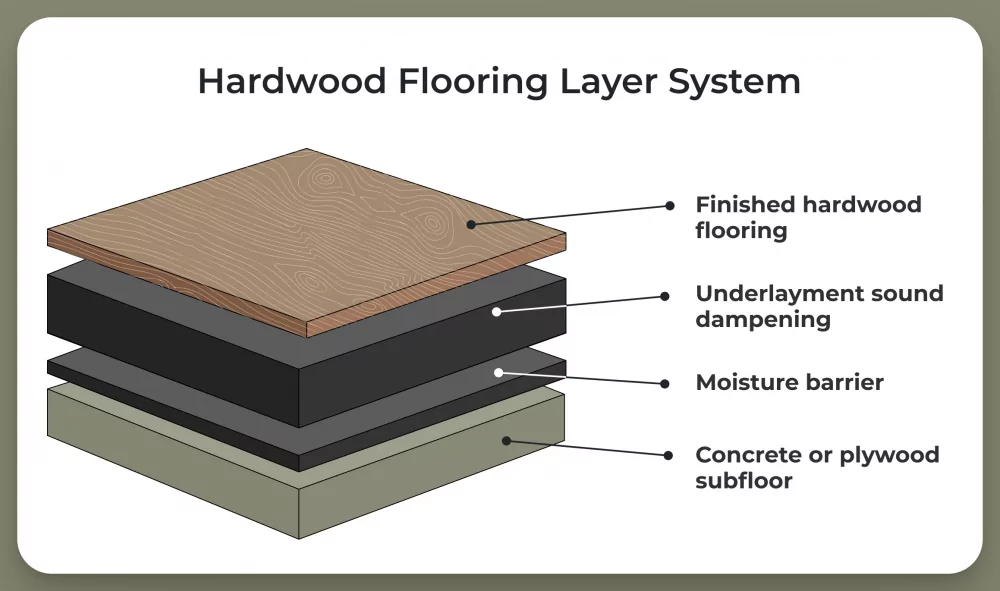
- Leveling work: If the floor is out of flat, installers may need grinding, patching, or self-leveling compound before any boards go down. This commonly adds about $1 to $5 per sq ft, depending on how much of the floor needs correction.
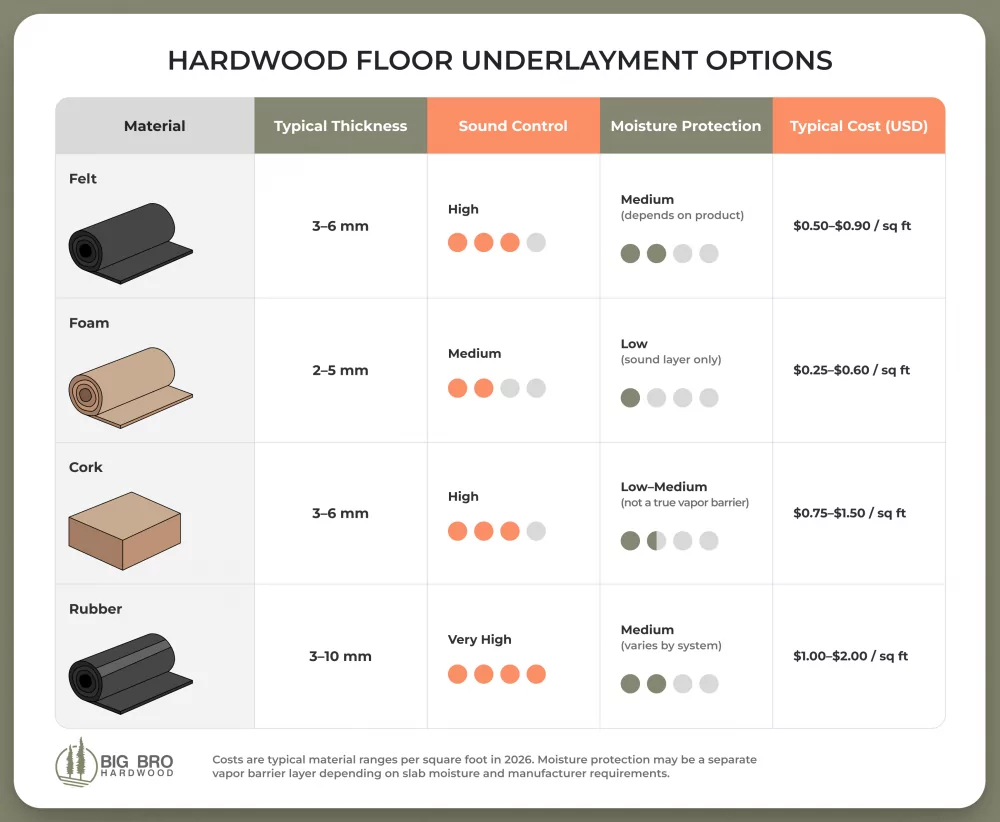
- Moisture protection: In many homes, a moisture barrier or underlayment is a small line item that protects the floor long-term. Budget roughly $0.50 to $2.00 per sq ft, especially over concrete or in rooms with higher humidity swings.
- Layout complexity: More doorways, closets, angled cuts, and tight hallways slow down the installation and increase waste. This often shows up as an extra 5% to 15% material allowance, plus a labor bump that can add $0.50 to $1.50 per sq ft on more complex wood floor installations.
- Trim and transitions: Baseboards, shoe molding, reducers, and T-moldings are usually priced separately because it is finish carpentry, not just flooring. Many quotes carry a $200 to $800 trim and transitions line item, depending on how many rooms and doorways you have.
- Doors, vents, and small carpentry: Door trimming for clearance, adjusting floor vents or registers, and handling awkward thresholds can add another $100 to $400 in small carpentry charges.
- Room size and mobilization: Small jobs can feel expensive per unit because crews still have a minimum charge to show up. Larger spaces usually price more efficiently per square foot once the crew is already set up.
- Prefinished vs unfinished hardwood: Prefinished boards often keep the schedule tight, while unfinished floors can trigger on-site sanding, stain, and coatings. When finishing is part of scope, it commonly adds about $2 to $7 per sq ft, and it can also make the project feel more time consuming.
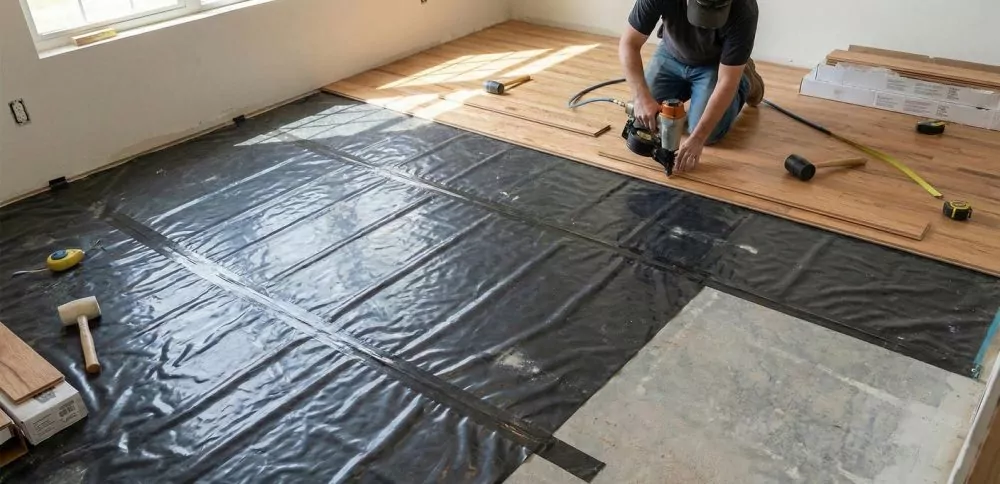
We had a client who wanted solid hardwood on a main level right after the old carpet came out, about 800 sq ft total. They chose prefinished oak because it is a dependable wood species that fits a lot of styles and holds up well.
The base install hardwood labor stayed within the $3 to $6 per sq ft range, but the final price moved because one hallway needed leveling to meet flatness requirements and a few doorways needed trimming, so the new floor height cleared cleanly. When we priced it out, the full hardwood flooring installation, including materials and labor, averaged about $14 per sq ft all-in, so the total project came to roughly $11,200.
How Much Does It Cost to Replace Carpeted Stairs with Hardwood?
Stairs are where labor costs spike because nearly every step is measured, cut, and finished by hand.
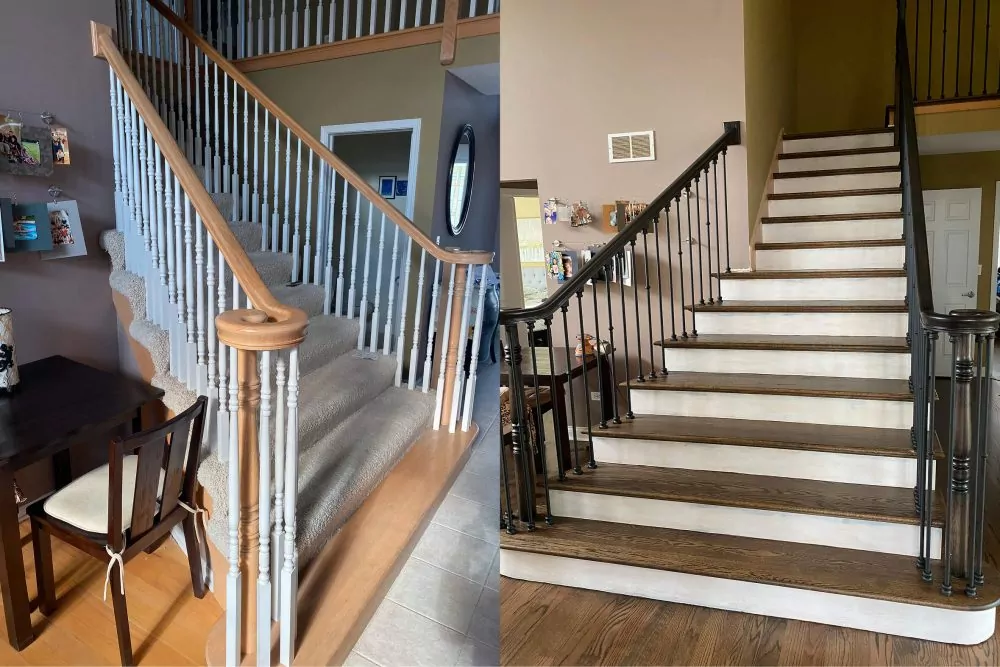
Most stair conversions are priced per tread, and a typical cost to replace carpet stairs with wood runs about $100 to $250 per stair when the scope includes new hardwood treads plus sanding and finishing. If the staircase already has wood under the carpet, removing carpet from hardwood floors cost is often closer to $100 to $130 per stair, because the work is mainly tear-out, prep, and refinishing.
What that per-step price usually covers:
- Carpet removal on the steps, including pad, staples, and cleanup along the edges
- Tack strip and fastener cleanup so the tread surface can be prepped cleanly
- New treads and risers, or tread caps, depending on the scope and stair structure
- Sanding, stain (if used), and a durable polyurethane topcoat on the stair parts
- Basic edge work at the stair nosing and transitions at landings
What typically pushes stair pricing higher:
- Open-sided stairs or tight railing layouts that make cuts slower and finishing harder
- Landings, pie steps, or curved details that turn into hand work
- Damage under the old carpet that needs patching before finish can bond properly
- Matching stain color to nearby floors, especially when there is existing hardwood flooring
- Extra carpentry at the top and bottom where the stair meets the floor
How Can You Reduce the Cost of Replacing Carpet with Hardwood Without Getting a Bad Result?
You can save money on replacing carpet with hardwood by cutting low-risk labor and choosing specs that keep prep and trim simple, while still paying for the parts that protect the floor long-term. The goal is to lower installation costs without creating future issues on the subfloor.
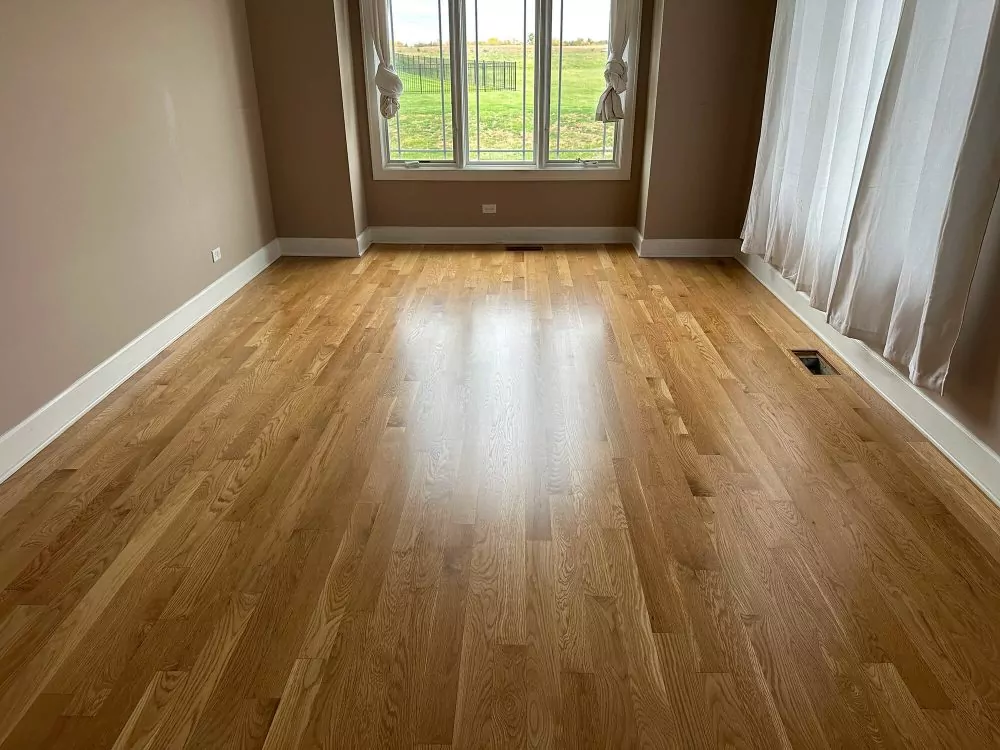
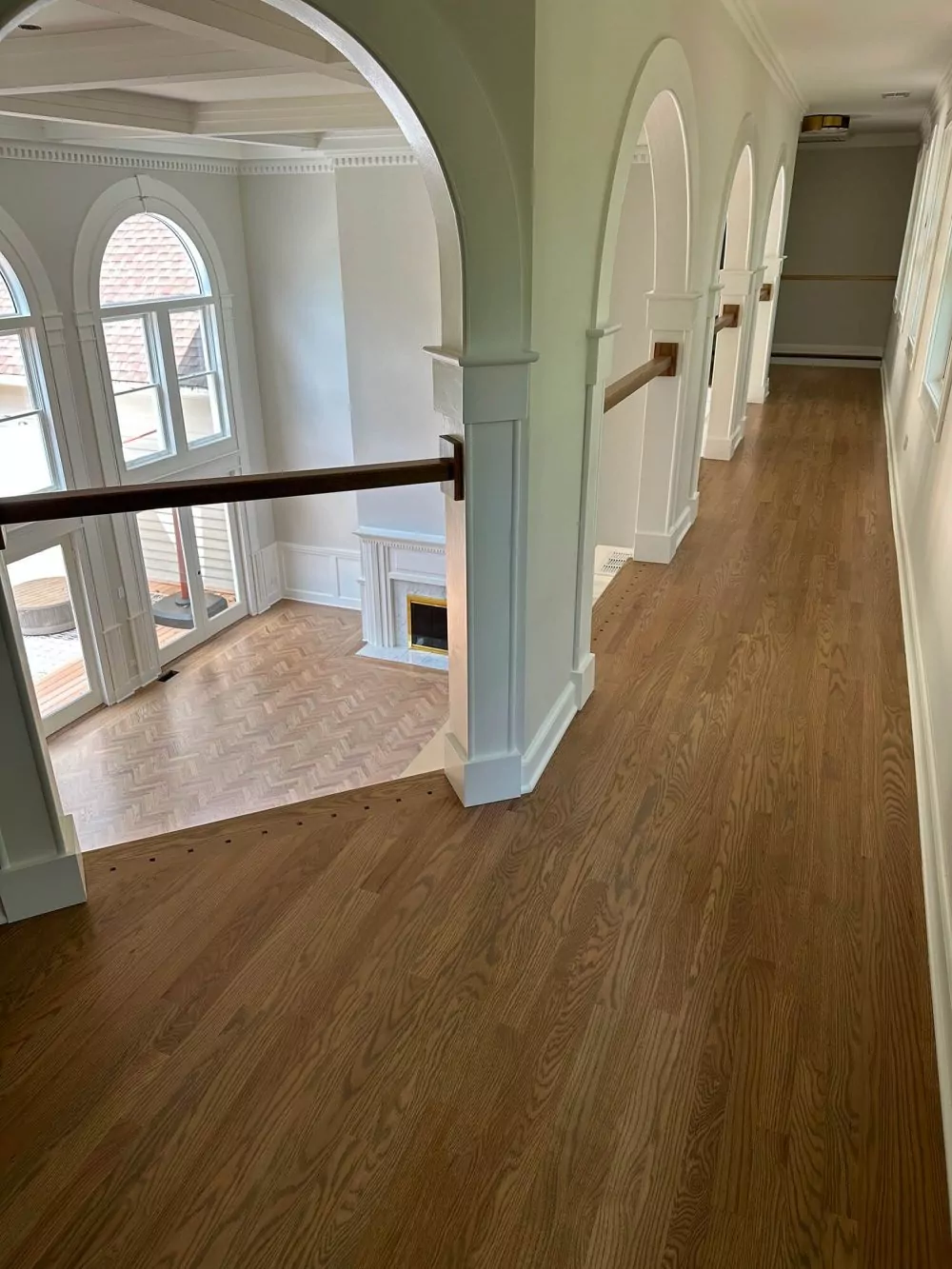
Practical ways to reduce the cost to replace carpet without hurting quality:
- Do the easy prep yourself: clear the room, protect pathways, and handle moving furniture so crews can stay productive on the floor.
- DIY only the simple demo: carpet removal is most predictable on staple-down carpet with tack strips but avoid glue-down jobs because scraping is labor intensive and becomes time consuming fast.
- Keep the layout straightforward: fewer transitions, fewer tight cuts, and fewer threshold changes reduce waste and labor on the same square footage.
- Pick stable, common materials: standard-width planks in common wood species like oak are usually more cost effective than extra-wide boards or exotic woods.
- Match the product to the base: use engineered wood where moisture is a concern, so you do not end up paying extra for a heavier moisture barrier system later.
- Spend on durability, not extras: prioritize a solid finish for heavy foot traffic areas and delay optional additional services like baseboard repainting.
- Keep stairs scoped clearly: if you got carpet stairs, get that priced separately so you can compare bids accurately.
- Get one clean number for unit pricing: ask for an accurate estimate per square foot for prep and install, then compare quotes line by line before you commit to professional wood floor installation.
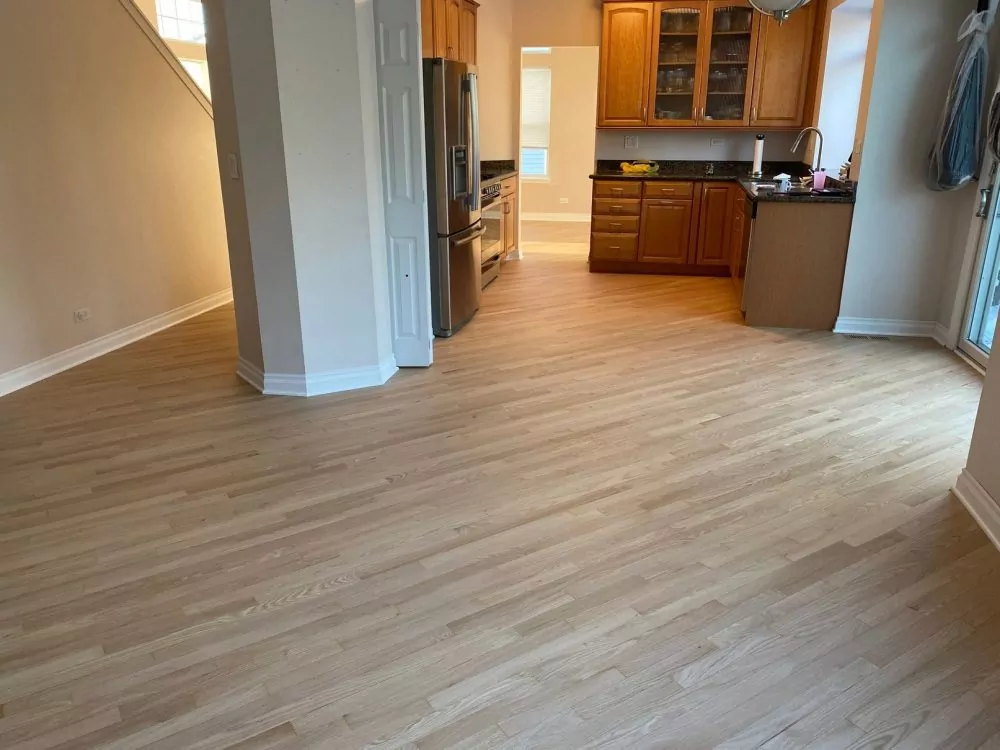
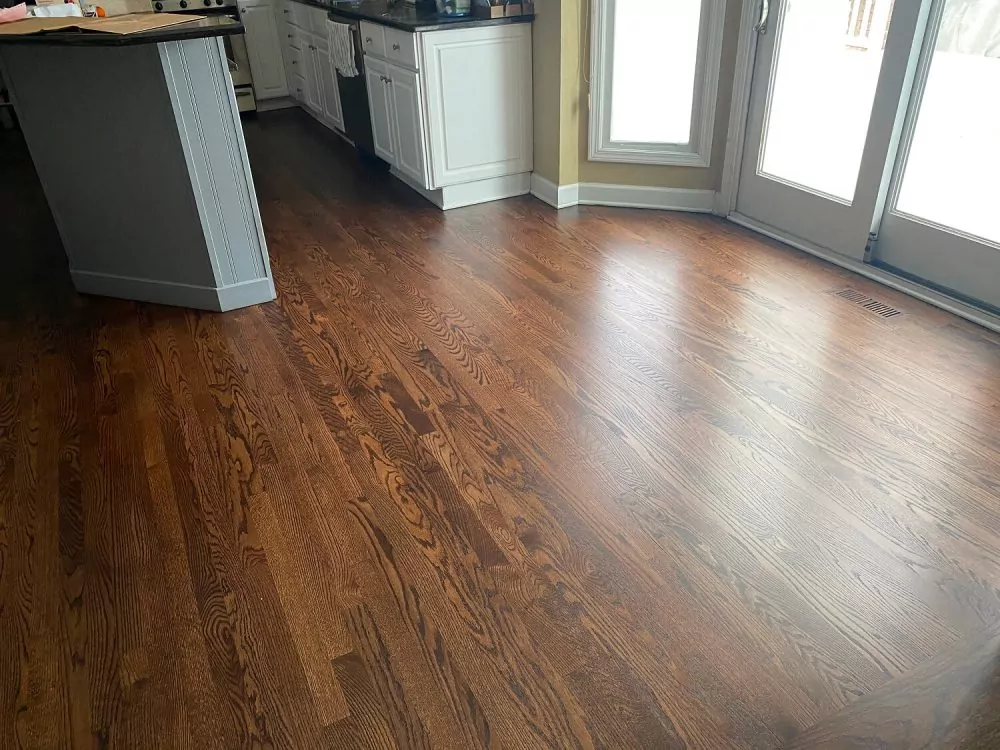
Is It Worth Replacing Carpet with Hardwood?
Upfront, is hardwood more expensive than carpet? Usually, yes, because materials and installation are higher.
Over time, is carpet or hardwood cheaper? It depends on how fast your carpet wears out and whether you would replace it again.
Here is a simple way to see the carpet vs hardwood cost difference with real numbers.
- A typical installed carpet installation price ranges from about $3 to $11 per square foot.
- With normal use, carpet is often replaced around the 8-to-10-year mark.
- A typical replace carpet with hardwood project runs about $6 to $25 per square foot all-in for a residential conversion.
- Hardwood can last 50 to 100 years or more when it is maintained, because it can be sanded and refinished instead of replaced.
- Refinishing commonly runs about $3 to $8 per square foot, and many homes refinish about every 7 to 10 years depending on traffic.
In a 500 sq ft living room, a $6/sq-ft carpet install is about $3,000 today, and replacing it once in 10 years can put you near $6,000 over that span before inflation. That cost can repeat once or twice over long ownership. A mid-range $12/sq-ft hardwood flooring install is about $6,000 upfront, and a refinish later might be $1,500 to $4,000 instead of starting over with new flooring.
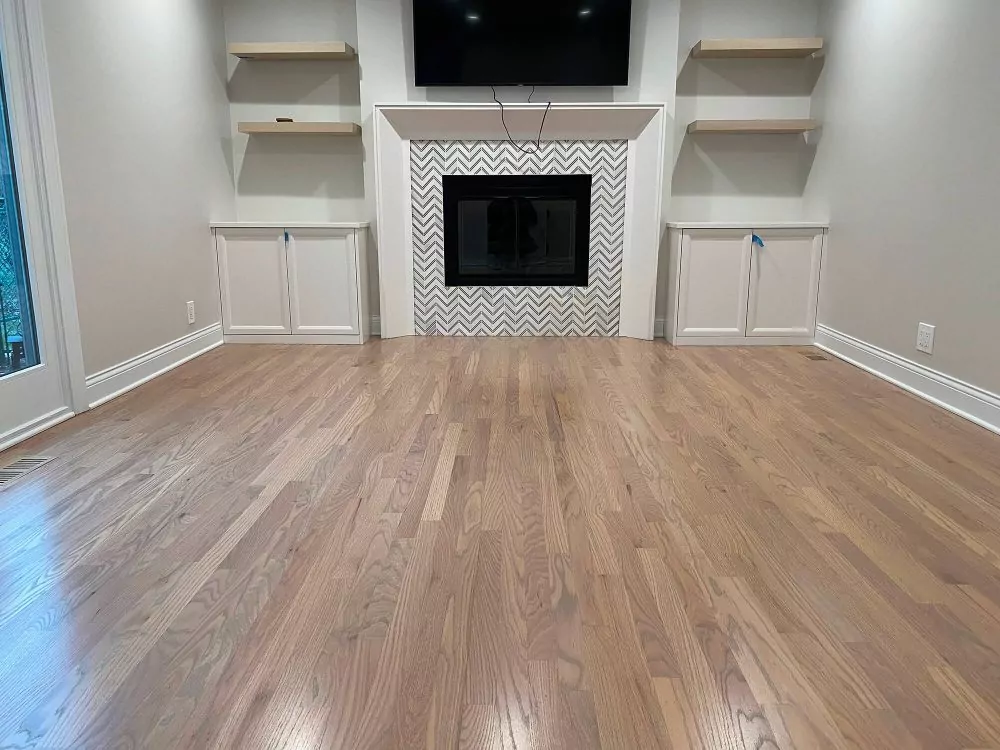
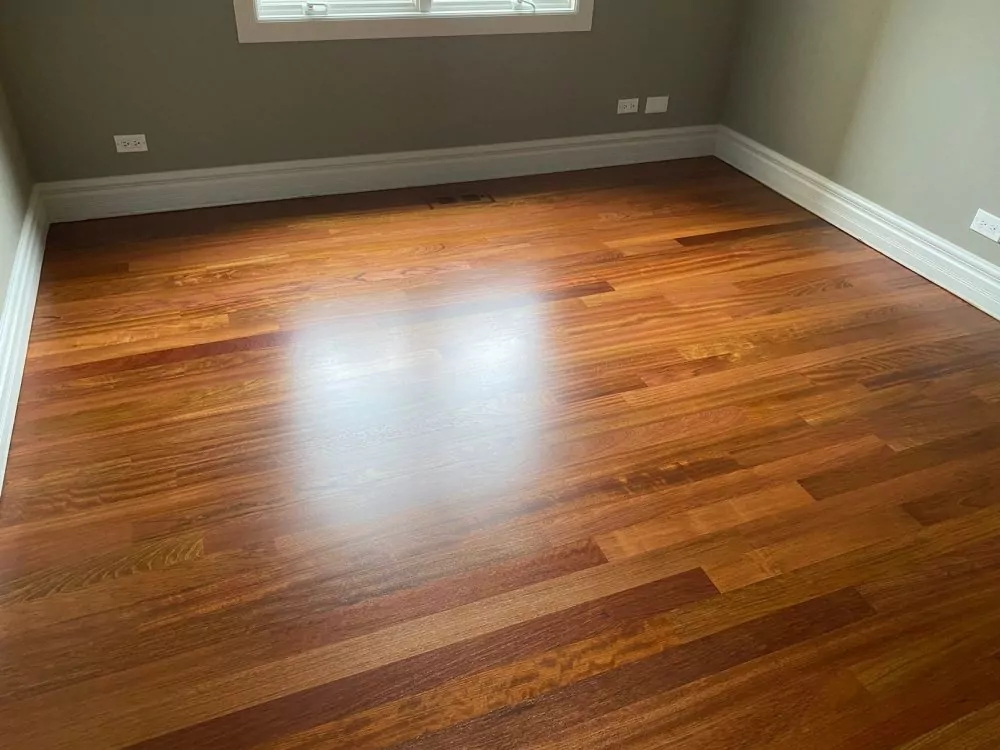
In many markets, swapping carpet for hardwood in main living areas can also improve buyer appeal and raise home value.
What Are Affordable Flooring Options If Hardwood Is Out of Budget?
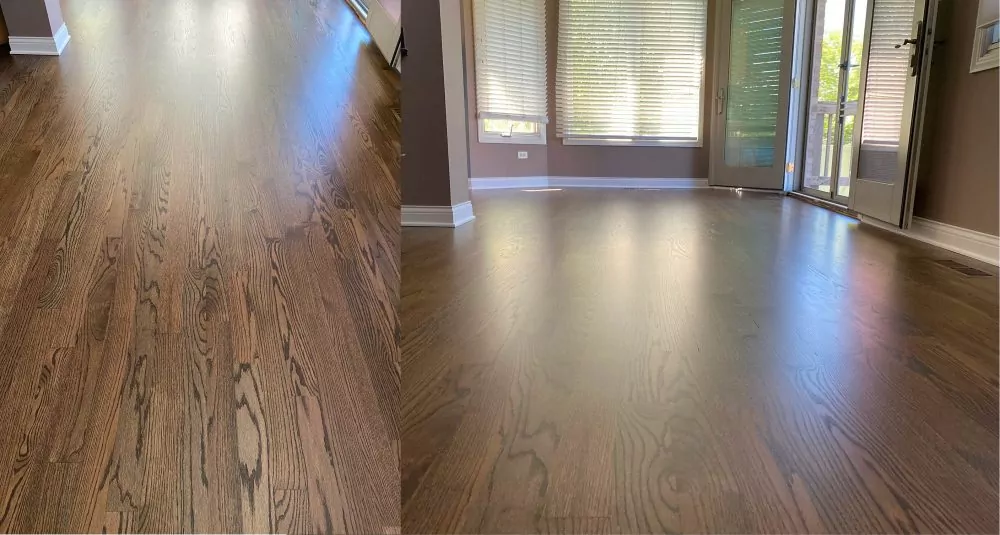
If the budget is tight, you can still replace carpet with a durable, good-looking floor by choosing a lower-cost material that is installed faster and needs less finish work. The best option depends on moisture risk, traffic level, and how long you want the new flooring to last.
Affordable flooring options:
- Engineered wood: about $6 to $15 per sq ft, often cheaper than solid hardwood while still delivering a real-wood surface.
- Laminate flooring: about $3 to $13 per sq ft, a common pick when you want a wood look without paying for solid wood.
- Luxury vinyl plank or tile: about $2.50 to $13 per sq ft, usually chosen for busy spaces because it handles spills better than most carpets.
Conclusion
Replacing carpet with hardwood is a quality-of-life upgrade more than anything else. Rooms look sharper, the floor feels more solid underfoot, and cleaning stops being a battle with fibers and padding. The tricky part is budgeting, because small details can change the total fast, so it is best when a contractor gives you a clear quote that separates carpet removal, prep, and installation instead of one vague number.
If you want help with hardwood flooring installation or refinishing, BBH can handle it. We have 17+ years of hands-on experience with hardwood flooring installation and refinishing and would be happy to help you turn the space into the dream floors you have in mind.
frequently asked questions
Can I remove the carpet myself before hardwood installation?
Yes, DIY installation prep can help you save money if the job is staple-down carpet and you can pull pad, staples, and tack strips cleanly. If adhesive scraping turns labor intensive or you leave fasteners behind, installers usually add prep charges, so the installation costs can jump.
How do I know if there is hardwood under my carpet?
Start with easy checks: look under a floor vent, a doorway threshold, or inside a closet edge for real boards over a wood subfloor. Sound can be a clue too: older hardwood often sounds more solid and less hollow than pad and subfloor, but the visual check is what counts.
If there is wood under the carpet, should I refinish instead of installing new hardwood flooring?
Often, yes. If the existing boards are sound, refinishing avoids paying for new materials and can lower total costs involved compared to a full tear-out and reinstall. It is usually a better call than trying to install hardwood over a questionable surface, especially when the existing layout is consistent and the floor is not heavily patched.
What is the difference between budget, mid-range, and premium hardwood projects?
The difference is usually driven by material costs, prep, and detail work. Budget projects tend to use standard-width planks and simpler layouts, mid-range jobs often include better grades and cleaner trim work, and premium projects can involve wider boards, higher-end finishes, and more detailed carpentry. The same square footage can be priced very differently when you move up in flooring choices.
How do I compare quotes, so I do not miss hidden costs?
Ask for an accurate estimate that breaks down removal, prep, and install pricing per square foot, plus a short list of possible additional costs like leveling, trim, and transitions. Then compare quotes by scope, not just the bottom-line price tags, because exclusions are where surprises usually hide.
Overall rating
5

(1 vote(s))
Comments