

 5.0
5.0


Hardwood Floor Installation Cost in 2026: Price Per Square Foot and Hidden Fees
12/30/2025
Reading Time ~ 13 minutes
 Donatas

Table of Contents
In 2026, the cost to install hardwood floors comes down to three things: the floor you choose, the installation method, and how much prep your subfloor needs.
Key Takeaways (2026 Hardwood Installation Cost)
- Hardwood floor installation cost: $6–$25+ per sq. ft. (materials + labor)
- Most common total for 1,000 sq. ft.: $10,000–$16,000 (budget: $6,000–$10,000; high-end: $20,000–$30,000+)
- Materials typically run: $3–$15 per sq. ft. depending on species, grade, and plank width
- Labor cost to install hardwood floors: usually $3–$8 per sq. ft. nationally (more for glue-down or custom patterns)
- Most common “hidden fees” line items: old flooring removal + disposal, subfloor leveling/repair, moisture barrier/underlayment, plus stairs, trim, transitions, and door-jamb cuts
Because pricing depends heavily on your floor type, subfloor condition, and finish details, the best way to budget is to break the project into line items and price drivers.
What Is the Average Cost to Install Hardwood Floors in 2026?
In 2026, the average cost to install hardwood floors typically falls between $6 and $25+ per square foot installed (materials + labor). Most homeowners end up in the $10–$16 per sq. ft. range once you factor in a normal home layout, basic prep, and standard finish details. For a 1,000 sq. ft. job, that usually translates to $10,000–$16,000, with budget installs closer to $6,000–$10,000 and high-end projects reaching $20,000–$30,000+.
Price Per Square Foot in 2026: Budget vs. Premium Options
Use these ranges as a quick baseline for hardwood flooring cost per square foot installed:
- Budget (about $6–$10/sq. ft.): simpler layout, minimal subfloor work, straightforward installation, and basic domestic wood options.
- Mid-range (about $10–$16/sq. ft.): the most common “real home” scenario—some prep, standard trims/transitions, and better materials.
- Premium (about $16–$25+/sq. ft.): wide planks, exotic species, custom patterns, tougher prep, and more detail work.
Before you compare bids, confirm whether the price is labor-only or materials + labor, and ask what’s excluded (demo, subfloor work, moisture barrier, stairs, and trim).
Total Project Estimates in 2026: 500, 1,000, and 1,500 Sq. Ft.
Here’s what hardwood floor installation costs often look like when you scale up the area:
| Area Size | Typical Installed Total (2026) | Most Common Range |
|---|---|---|
| 500 sq. ft. | $3,000–$13,000 | $5,000–$8,000 |
| 1,000 sq. ft. | $6,000–$25,000 | $10,000–$16,000 |
| 1,500 sq. ft. | $9,000–$36,000+ | $15,000–$24,000 |
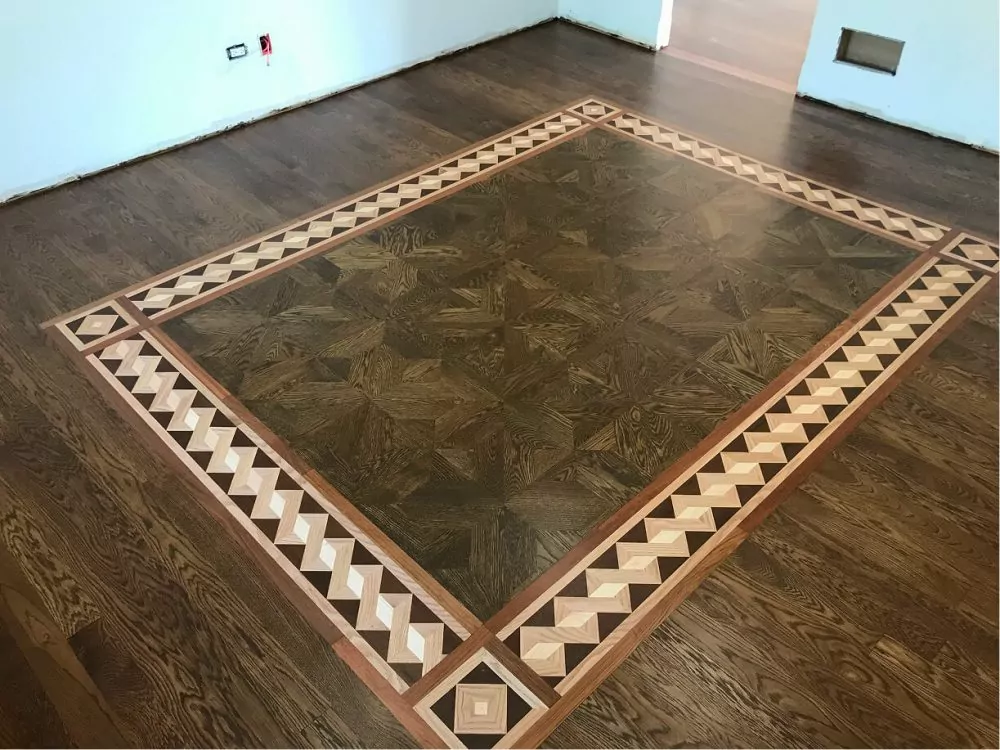
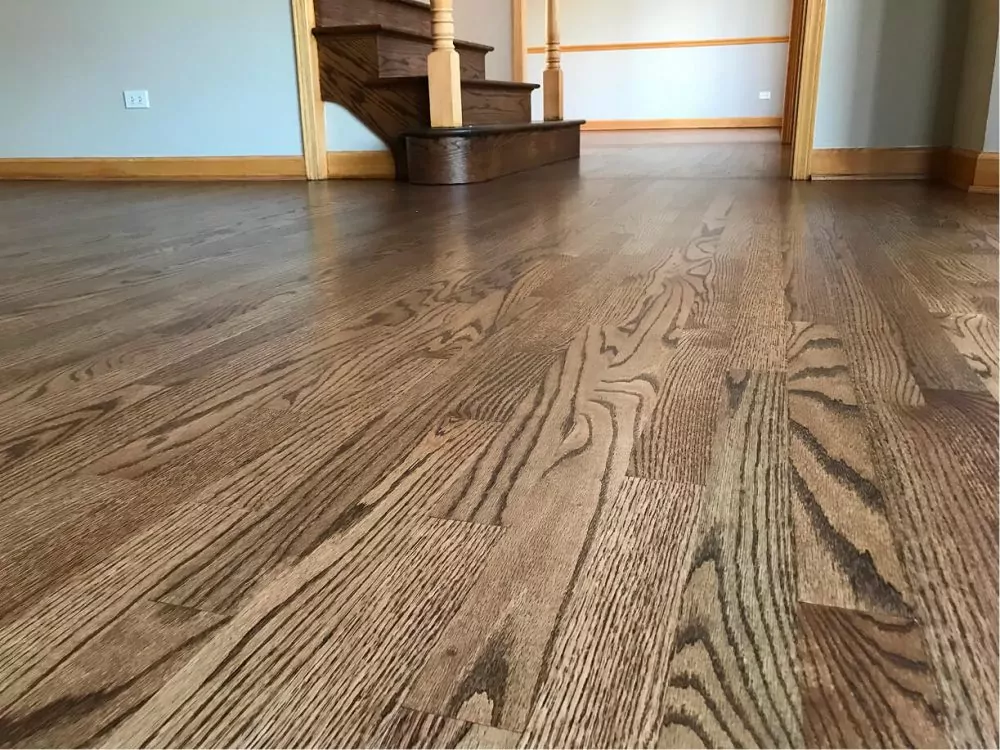
Totals don’t always scale perfectly. Smaller jobs can look more expensive per square foot because of minimum charges, mobilization, and fixed-detail items like transitions or trim.
What’s Included in a Professional Installed Price?
When people ask “what is the cost of installing hardwood floors?” they’re usually thinking one number. In reality, installed hardwood floor cost is either a bundled price or an itemized bid.
Typically included (or bundled into the base install line):
- Basic installation labor (layout, cutting, fitting, fastening/glue where applicable)
- Standard consumables (basic fasteners/adhesive as needed for the method)
- Standard underlayment only if it’s part of the method/package (varies by contractor)
Common line items that are often NOT included and raise the total:
- Old flooring removal + disposal (especially tile or glued-down surfaces)
- Subfloor repair or leveling
- Moisture barrier / moisture mitigation systems (especially concrete slabs and basements)
- Stairs (usually priced separately)
- Trim work (baseboards/shoe molding), transitions/thresholds
- Door jamb cuts, vent cuts, and other detailed edge work
- Furniture moving
- On-site finishing if you choose unfinished hardwood (sanding + finish)
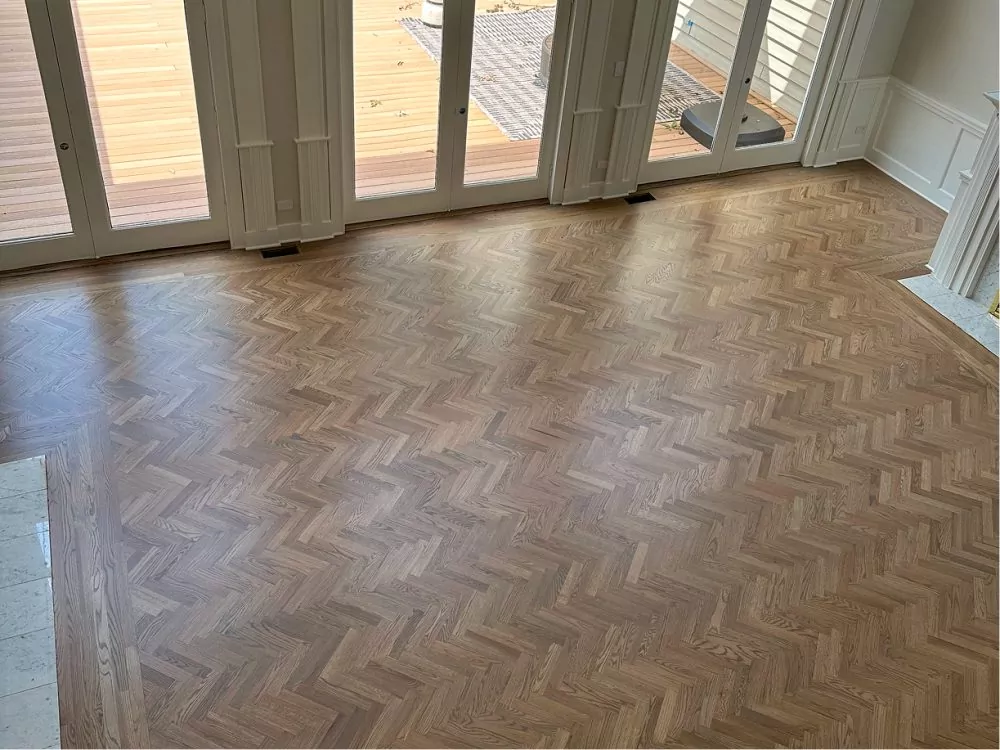
A client contacted us after getting a $3,000 quote for about 1,000 sq. ft. of hardwood installation. After our free estimate, the realistic total came in closer to $7,000 because the first number did not fully account for prep, subfloor adjustments, transitions, and finish details. In cases like this, the lower quote is often not cheaper, just less complete. And if those missing items are ignored at the start, problems can surface later during the job and push the final cost even higher than expected.
The Breakdown: How Much of Your Budget Goes to Labor vs. Materials?
For most projects, materials and labor are the two biggest buckets—and the split changes based on your floor type, installation method, and how much prep is needed. As a rough rule of thumb, materials often land around ~30–50% of the total, while labor + install-related work can be ~50–70% on real-world jobs (especially when glue-down, patterns, stairs, or prep are involved).
Average Labor Rates in 2026 for Nail-Down, Glue-Down, and Floating Floors
Labor pricing varies by region and complexity, but these ranges are a realistic baseline for labor cost to install hardwood floors per square foot:
| Installation Method | Typical Use | Labor-Only Cost (2026) | Usually Includes | Usually Not Included |
|---|---|---|---|---|
| Nail-Down | Houses, 1st/2nd floor | $3.5–$6.5 / sq. ft. | Layout + fastening install | Demo, leveling, new plywood |
| Glue-Down | Condos, basements | $5.5–$9.5 / sq. ft. | Adhesive spread + roll-in | Moisture barrier, acoustic underlayment |
| Floating (Click/Lock) | Fast installs, rentals | $3.0–$5.5 / sq. ft. | Assembly + basic underlayment install | Transitions, premium sound mats |
| Stairs (Tread + Riser) | Any | $150–$300 per step | Cut-to-fit + nosings | Rails/balusters |
Glue-down usually costs more because it’s slower, messier, and often paired with moisture or sound-control requirements (common in condos and basements). Floating can look cheaper, but it often demands a flatter subfloor—so prep can eat the savings.
Material Costs by Wood Species and Grade: From Red Oak to Exotic Hardwoods
Hardwood material prices vary a lot, mainly based on species, grade, plank width, and whether the boards are prefinished or unfinished. In 2026, hardwood flooring prices commonly run about$3–$15 per sq. ft. for materials, driven by:
- Species: oak/maple/hickory tend to be more budget-friendly than walnut or exotics
- Grade: more uniform boards usually cost more
- Plank width: wide plank pushes material cost up fast
- Prefinished vs. unfinished: prefinished often costs more per board, but may reduce finishing labor later
| Wood Type | Typical Price (Per Sq. Ft.) | Notes |
| Red Oak | $3–$7 | One of the most affordable, widely available hardwoods. |
| White Oak | $4–$10 | Higher demand; wide plank white oak often pushes pricing up. |
| Maple | $4–$9 | Price swings with grade; cleaner, more uniform boards cost more. |
| Hickory | $4–$10 | Very durable; stronger character grain can price above basic oak. |
| Ash | $4–$9 | Often priced similar to maple/oak depending on availability. |
| American Cherry | $5–$12 | More “premium look”; select grades raise the cost. |
| Walnut | $7–$15 | Premium domestic hardwood; high raw material cost. |
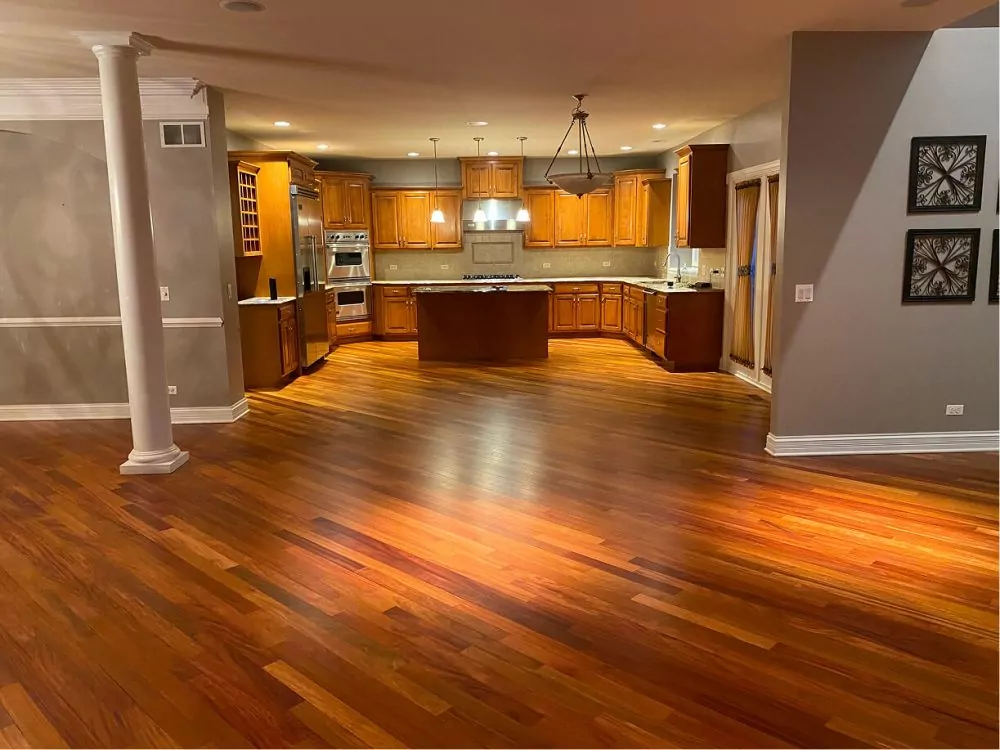
| Brazilian Cherry (Jatoba) | $6–$14 | “Exotic-leaning” pricing; dense wood, often sold in premium lines. |
| Brazilian Walnut (Ipe) | $8–$18+ | Exotic premium; higher raw cost and less budget inventory. |
| Teak (Exotic) | $10–$20+ | Luxury tier; limited availability and high material cost. |
Hidden Supply Costs in 2026: Underlayment, Adhesives, Fasteners, and Moisture Systems
Even when a quote says “installed,” there are install-specific line items that can change your wood flooring installation cost:
- Adhesives and trowels/roll-in supplies (especially glue-down)
- Fasteners (nail-down)
- Underlayment (floating)
- Moisture barrier or moisture mitigation (common on concrete slabs and basements)
- Acoustic underlayment for condos/HOA requirements (often a separate upgrade)
These aren’t scammy fees, they’re real job costs. The key is whether they’re bundled into a single price or shown as separate line items.
How Much Extra Flooring Should You Buy in 2026 (Waste Factor and Cuts)?
For most installs, plan on about 5–10% extra material for cuts and defects. You may need 10–15%+ if you have:
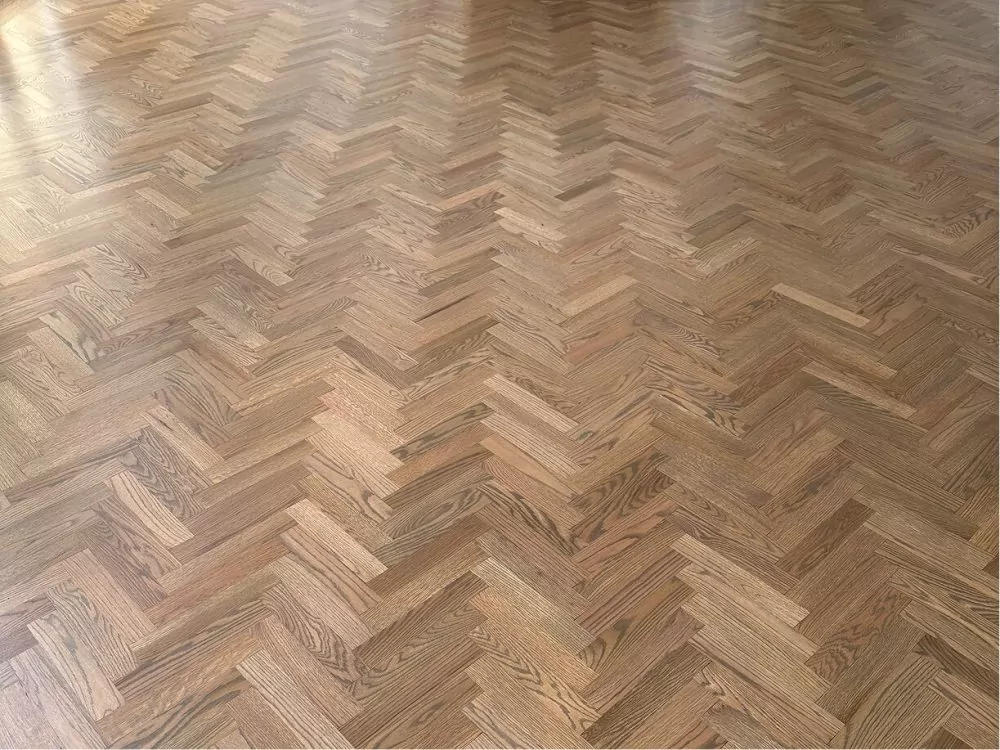
- Herringbone/chevron or diagonal layouts
- Lots of closets, hallways, doorways, or short wall runs
- Older homes with out-of-square rooms (more trimming, more waste)
That waste factor affects both material hardwood floor cost and sometimes labor cost too (more cuts = more time).
The “Hidden” Variables: What Drives the Installed Price Up?
Even with the same square footage, your hardwood flooring installation cost can jump fast based on product choices and layout complexity. These hidden variables usually don’t show up until you pick the floor type and design, then the installed hardwood floor cost shifts because labor, waste, and prep requirements change.
Site-Finished vs. Prefinished Hardwood: Which Option Is Cheaper in 2026?
Prefinished hardwood often has a higher hardwood flooring price per square foot for the boards, but it can reduce on-site labor because you’re not paying for sanding and finishing after install. Unfinished hardwood can start cheaper on materials, but the total cost of installing hardwood floors rises once you add on-site finishing (time, dust control, extra days on the job).
- If you want a faster install and less on-site finishing work, prefinished can be more cost-effective overall.
- If you need a seamless look, custom stain, or to match existing floors, site-finished may be worth the extra cost.
Why Custom Layouts and Patterns Increase Labor Costs
Patterns like herringbone and chevron aren’t just fancier, they’re slower and create more waste. That pushes up:
- Labor cost to install hardwood floors per square foot (more layout time + more cuts)
- Material needs (higher waste factor)
- Often, the expectation for a flatter subfloor (extra prep)
If you want to get the best prices on hardwood flooring, a straight-lay layout is one of the easiest ways to keep the total down without changing the wood itself.
Solid vs. Engineered Hardwood: Which Is More Cost-Effective to Install (and Where)?
For many homes, solid hardwood is commonly installed as nail-down over a wood subfloor, while engineered hardwood is frequently used for glue-down or floating installs, especially on concrete slabs, condos, and basements.
In cost terms:
- Engineered hardwood flooring cost can be lower on paper, but glue-down jobs may add adhesive, moisture systems, or sound-control layers, raising the final engineered wood flooring installation cost.
- Solid hardwood can be straightforward and efficient on wood subfloors, but it’s not always the best match for slab or moisture-prone spaces.
Preparation Costs: How Much Extra for Demo, Subfloor Work, and Leveling?
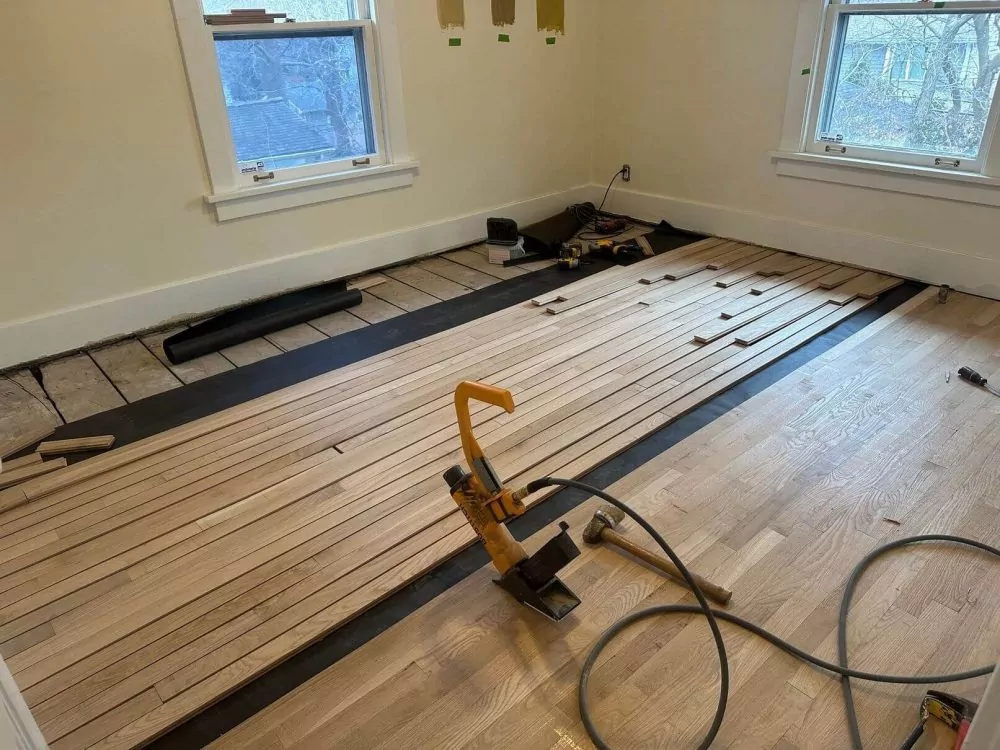
Preparation is where most surprise costs show up. Two projects with the same square footage can have very different hardwood floor installation costs depending on what’s under the old floor and how flat, solid, and dry the subfloor is.
Removing Old Flooring: Carpet, Tile, and Vinyl Disposal Fees
Old floor removal is usually priced per square foot, then disposal/haul-away may be listed separately.
| Removal Scope | Typical Cost Range (Labor + Disposal) |
|---|---|
| Remove carpet and install hardwood (carpet tear-out) | $0.70–$1.60 / sq. ft. |
| Remove vinyl / glue-down LVP | $1.00–$2.50 / sq. ft. |
| Remove tile (or heavy thinset/adhesive) | $1.50–$3.50 / sq. ft. |
Tile and glued-down surfaces take more labor, create more debris, and often reveal subfloor issues that add to your wood floor installation cost.
Subfloor Leveling and Repair: When Is It a Mandatory Expense?
Subfloor work becomes mandatory when the floor is not flat, not solid, or damaged. This is one of the biggest drivers of hidden fees in the cost to install hardwood floors.
Common line items you’ll see:
- Minor patching / fastening / squeak fixes: typically $0.50–$2.00 / sq. ft.
- Floor leveling (spot leveling): often $1.00–$3.50 / sq. ft.
- Heavier leveling (larger low/high areas): commonly $3.00–$6.00+ / sq. ft.
- Plywood replacement (localized): frequently priced per sheet or per area (varies a lot by access and scope)
When it’s most likely required: floating floors, wide planks, older homes with out-of-square rooms, and any space with visible dips, humps, bounce, or soft spots.
Moisture Barriers and Underlayment Requirements
Moisture and sound-control layers are often separate line items, especially for condos, basements, and concrete slabs. They can meaningfully change the hardwood flooring installation cost per square foot.
Typical add-ons (materials + install):
- Basic vapor barrier / moisture barrier: $0.25–$1.00 / sq. ft.
- Underlayment (standard): $0.30–$1.25 / sq. ft.
- Premium acoustic underlayment (condos/HOAs): $1.00–$3.00+ / sq. ft.
- Moisture mitigation systems (problem slabs): can be several dollars per sq. ft. depending on the product and test results
The Finish Work: How Much Do Stairs, Trim, and Transitions Add in 2026?
Finish details are where a simple install becomes a real home project. These items show up in most houses and are often priced separately, so they can noticeably increase your hardwood floor installation cost even when the square footage is the same.
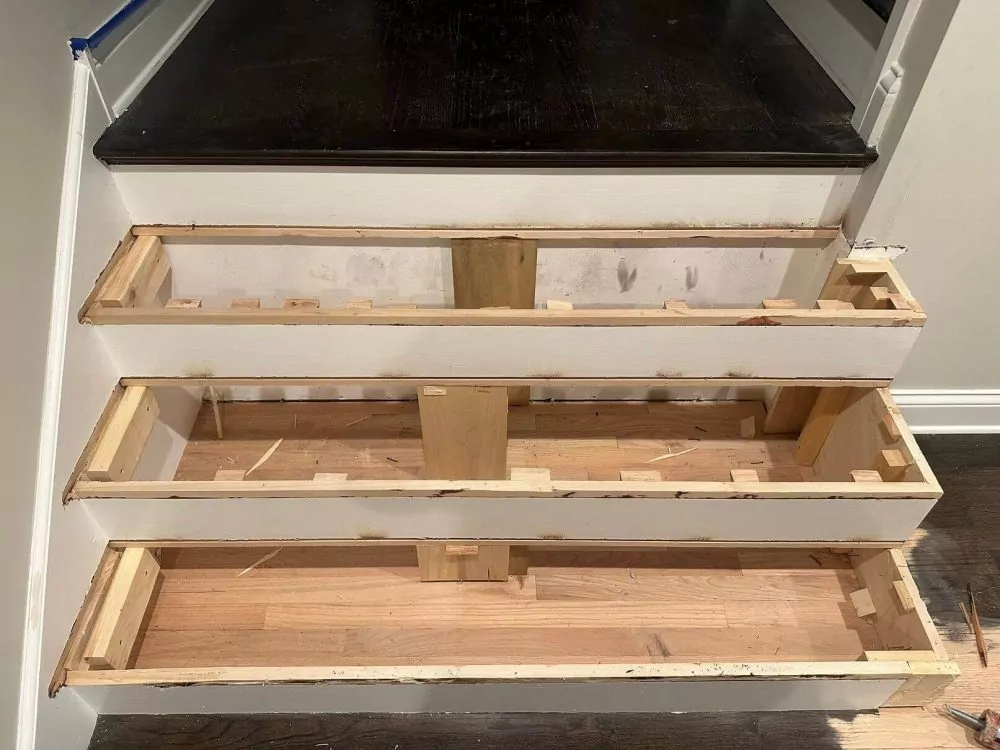
Why Installing Hardwood on Stairs Is Expensive
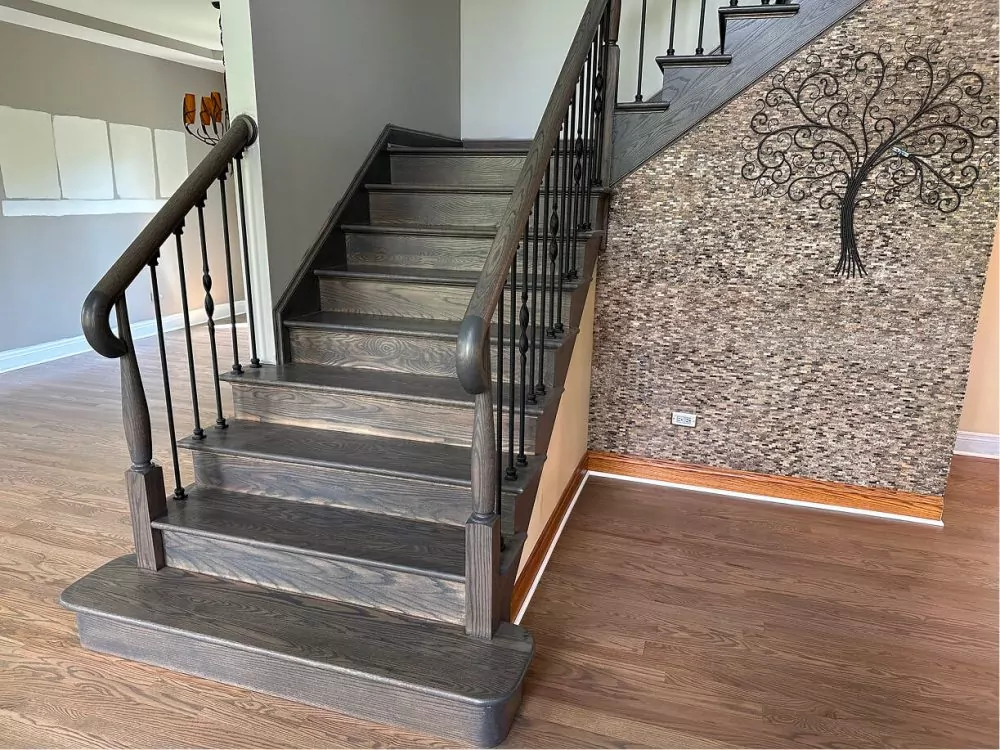
Stairs are labor-heavy: tight cuts, nosings, clean edges, and more pieces per square foot than a flat floor. That’s why stair work is rarely included in a basic price to install hardwood floors.
A common national range for labor-only stair install is:
- $150–$300 per step (tread + riser)
Costs trend higher when you add custom nosings, landings, skirts, or complex geometry. Handrails and balusters are typically separate.
Baseboards, Shoe Molding, Transitions, and Thresholds
Trim and transitions are small individually, but they add up fast across doorways and room breaks. Quotes may include none, some, or all of the following:
- Shoe molding / quarter round install (common after hardwood install)
- Baseboard removal and re-install (or replacement)
- Transitions / reducers / thresholds (especially to tile, carpet, or different floor heights)
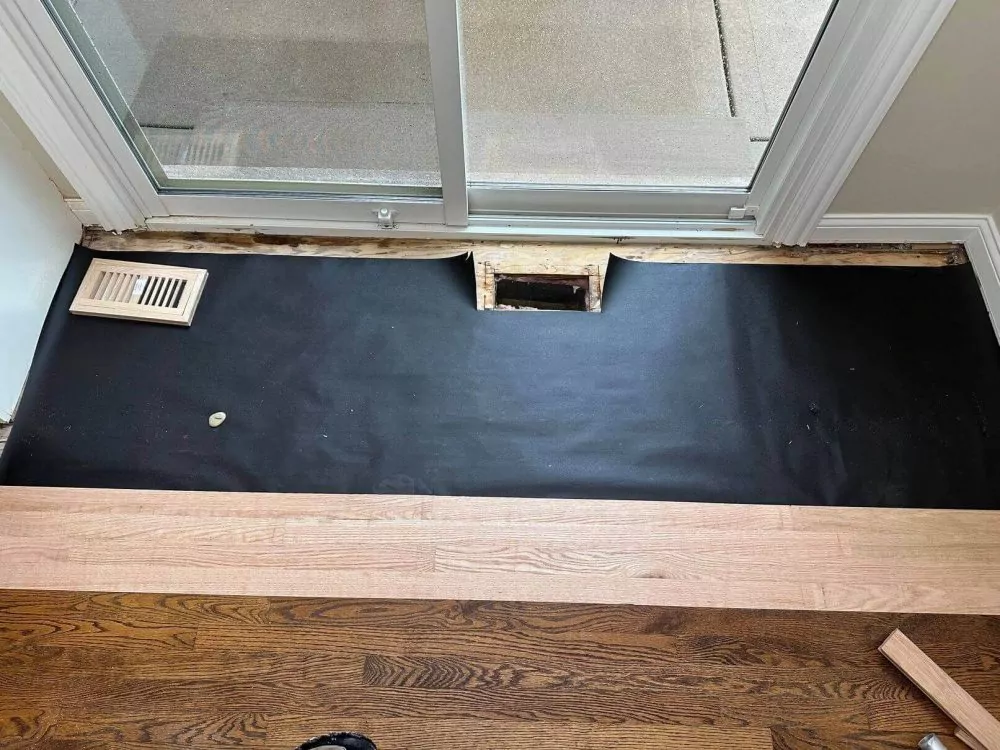
Door Jamb Cuts, Floor Vents, and Edge Detail Work
Detail cuts are easy to forget when you’re budgeting wood flooring installation cost, but they’re real labor:
- Door jamb undercutting for clean plank fit
- Cuts around vents, posts, fireplaces, and tight corners
- Edge finishing at sliding doors or irregular walls
These are the classic “nickel-and-dime” line items, except they’re not actually nickel-and-dime. They’re time. The cleanest way to avoid surprises is to make sure the bid spells out what’s included for trim, transitions, and detail work.
How to Compare Contractor Quotes and Avoid Hidden Fees?
If you want a clean install and a predictable budget, the goal is simple: compare bids line by line, not just the final number. Two quotes can look wildly different because one includes prep and finish details and the other assumes everything is perfect.
What Line Items Must Be on a Professional Hardwood Installation Quote?
Use this checklist to compare hardwood flooring installation cost apples-to-apples:
- Flooring specs (materials): wood type, grade, plank width, thickness, prefinished vs unfinished
- Installation method: nail-down, glue-down, or floating (and what that includes)
- Demo + disposal: what’s being removed and haul-away included or not
- Subfloor assumptions: “subfloor acceptable” vs allowance for repair/leveling
- Moisture plan: moisture testing + barrier/underlayment requirements
- Finish details: stairs, trim/baseboards, transitions/thresholds, door jamb cuts, vents
- Furniture moving: included or excluded
- Timeline + access: start date, estimated duration, work hours
- Warranty + exclusions: what voids it (moisture, movement, improper conditions, etc.)
If a quote is missing subfloor or moisture assumptions, it’s not cheaper, it’s incomplete.
Red Flags to Watch for in Low-Ball Flooring Estimates
A low number isn’t automatically bad, but these are the common warning signs:
- No specifics on materials (no grade/width/finish listed)
- “Includes everything” with no scope detail
- No mention of subfloor condition (leveling/repair not addressed)
- No moisture testing plan (especially over slab/basement/condos)
- Unclear change-order process (how extras get priced once work starts)
- Unrealistic timeline (rushed installs can create long-term problems)
If the bid is dramatically lower than others, ask what’s excluded, most of the time, the answer is prep and finish work.
What Specific Questions Should You Ask Before Signing?
These questions prevent 90% of budget surprises:
- Is this price labor-only or materials + labor?
- What’s excluded from the installed price? (demo, leveling, moisture barrier, stairs, trim, transitions)
- What subfloor condition are you assuming? and how do you price leveling/repairs if needed?
- Do you do moisture testing, and what happens if moisture is high?
- Who buys materials, and how is waste factor handled?
- What’s your change-order process? (written approval + pricing before work continues)
- What warranty do you provide, and what voids it?

Hardwood Installation
Final Thoughts
Hardwood is one of those upgrades where the number can look simple, until you see the line items. If you budget using a realistic installed cost per square foot, confirm what’s included, and plan for prep and finish details, you’ll avoid most “hidden fee” surprises and get a floor that performs for the long haul.
If you’re in the Chicago area and want a clear, itemized installation quote based on your space, Big Bro Hardwood can help, our team installs solid and engineered hardwood with method-specific labor pricing and scope spelled out line by line.
frequently asked questions
Why do hardwood installation quotes vary so much for the same square footage?
Because bids often don’t include the same scope. The biggest differences usually come from subfloor assumptions (leveling/repair), demo + disposal, moisture or sound-control requirements, and whether trim, transitions, stairs, and door-jamb work are included or priced separately.
Is it cheaper to install hardwood in stages (room by room), or all at once?
All at once is usually more cost-efficient per square foot. Room-by-room installs can add repeated setup time, extra transitions, and more edge detail work, so the total cost can end up higher even if you spread the project out.
What can you do yourself to save money on hardwood floor installation?
You can cut costs by reducing labor-heavy “extras” that don’t require specialized tools. The simplest wins are clearing rooms completely, removing baseboards if you’re comfortable, and doing basic carpet tear-out (carpet + pad) before the crew arrives. You can also save by handling paint/trim touch-ups after installation and keeping the layout simple (straight-lay instead of patterns) to reduce waste and install time.
Skip DIY on subfloor leveling/repair, moisture barrier or moisture mitigation, and stairs—those are the areas where small mistakes can turn into expensive fixes.
Can I live in the home during hardwood installation, and does it affect the price?
Yes, you usually can, but it can increase labor and timeline. Living in the home often means phasing the work, moving furniture multiple times, and protecting walkways, which can add to the overall hardwood floor installation cost.
What’s the best way to avoid “hidden fees” on a hardwood install?
Get a written, itemized scope that clearly states what’s included, what’s excluded, and how subfloor or moisture issues are handled (change-order pricing and approval before extra work starts). That one step prevents most mid-project cost surprises.
Is hardwood flooring worth the higher cost?
Sometimes yes, sometimes no, it depends on your space and how long you plan to keep the property. LVP, laminate, or carpet can be the smarter money move for rentals, short ownership timelines, high-traffic homes with pets, basements or moisture-prone areas, and tight-budget projects where the goal is the lowest installed total today.
Hardwood tends to make financial sense in main living areas when you plan to stay for years and care about long-term durability and resale appeal. Real hardwood can often be repaired more easily than “replace-only” surfaces, and many floors can be refinished instead of torn out—so the higher upfront price can pay off over the life of the home.
Overall rating
5

(1 vote(s))
Comments