

 5.0
5.0


Hardwood Floor Cupping, Buckling, Crowning, and Peaking Guide
05/21/2026
Reading Time ~ 16 minutes
Table of Contents
- What Is Happening to Your Wood Floor?
- Why Hardwood Floors Cup, Buckle, or Warp
- What Should You Do First If Your Wood Floor Got Wet?
- Will Cupped or Buckled Floors Go Back Down?
- How to Fix Cupping, Buckling, and Warped Floorboards
- Preventing Hardwood Floor Buckling and Cupping
- When to Call a Hardwood Floor Repair Professional
- Final Thoughts
Hardwood floor cupping, buckling, and warping are signs that wood planks have moved out of shape because of moisture, water damage, subfloor moisture, poor installation, or unstable indoor conditions. This guide explains how to identify the problem, what usually causes it, and when a hardwood floor can dry back down, be refinished, or need board replacement.
Key takeaways:
- The shape of the floor tells you what failed. Cupping, crowning, buckling, and peaking look similar at first, but each points to a different moisture or pressure problem.
- Moisture is the first thing to check. A warped wood floor can come from a water leak, crawl space moisture, concrete subfloor moisture, wet mopping, or high humidity.
- Do not sand cupped hardwood too soon. If the floor is still drying, sanding can turn floor cupping into crowning after the boards release moisture.
- Buckling is more serious than minor cupping. A buckled hardwood floor may need board removal, subfloor drying, replacement boards, or full hardwood floor buckling repair in Chicago.
- The source must be fixed before the floor is fixed. Without stable indoor conditions and a corrected moisture issue, the same wood floor problem can come back.
What Is Happening to Your Wood Floor?
A warped wood floor usually means the boards have changed shape, but it does not name one exact defect. Homeowners often use this phrase for hardwood floor cupping, hardwood floor buckling, crowning, peaking, swollen boards, bowed boards, or a sudden bulge in the floor.
| Problem | What It Looks Like | Most Common Meaning |
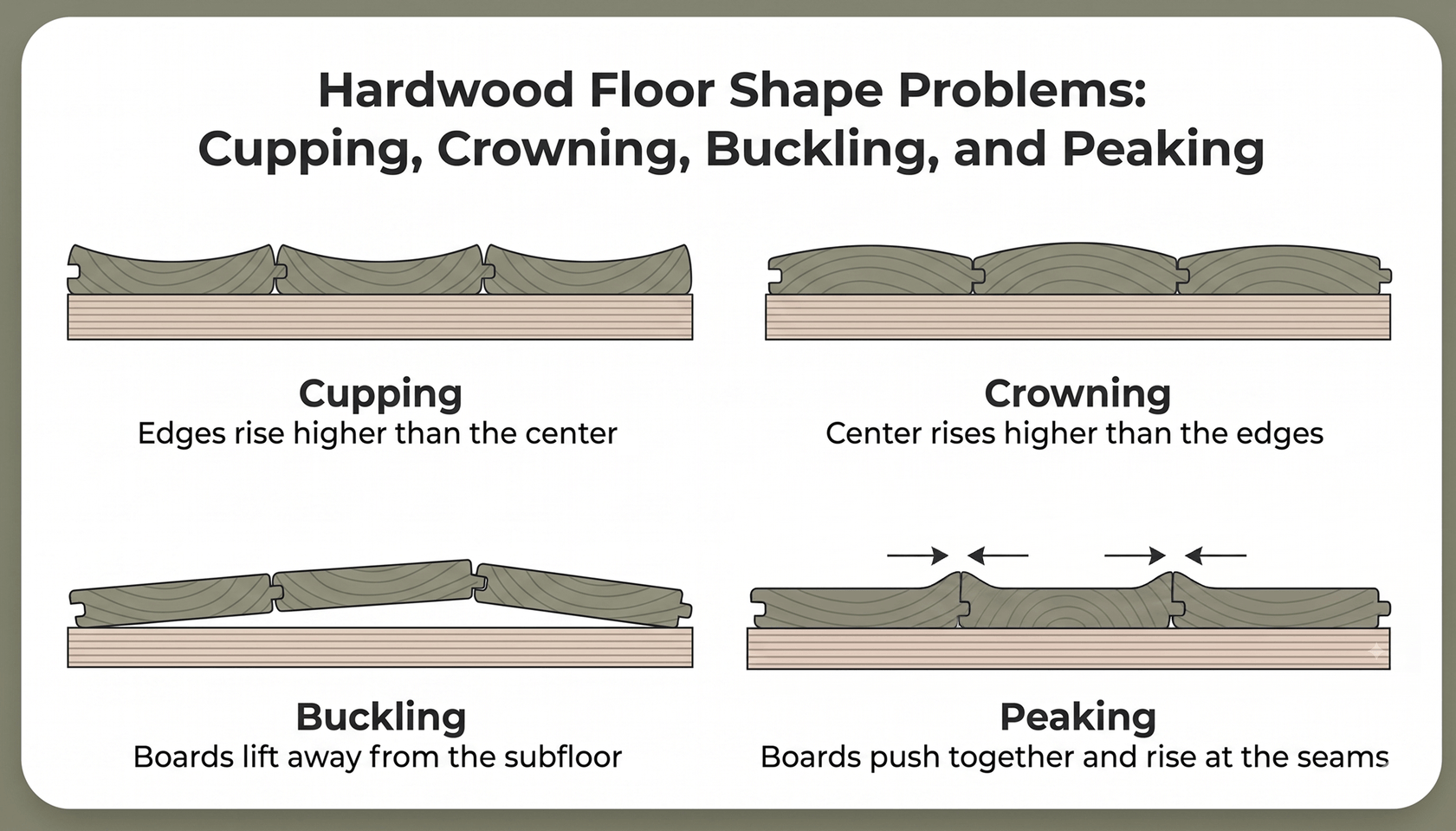
| Cupping | Board edges are higher than the center | Moisture imbalance, often from below |
| Crowning | Board center is higher than the edges | Surface moisture or sanding before drying |
| Buckling | Boards lift away from the subfloor | Severe moisture, trapped water, or installation pressure |
| Peaking | Boards rise at seams or joints | No expansion space or pressure between boards |
| Warping | Boards look swollen, bowed, uneven, or lifted | Broad homeowner term, not one exact defect |
What Is Hardwood Floor Cupping?
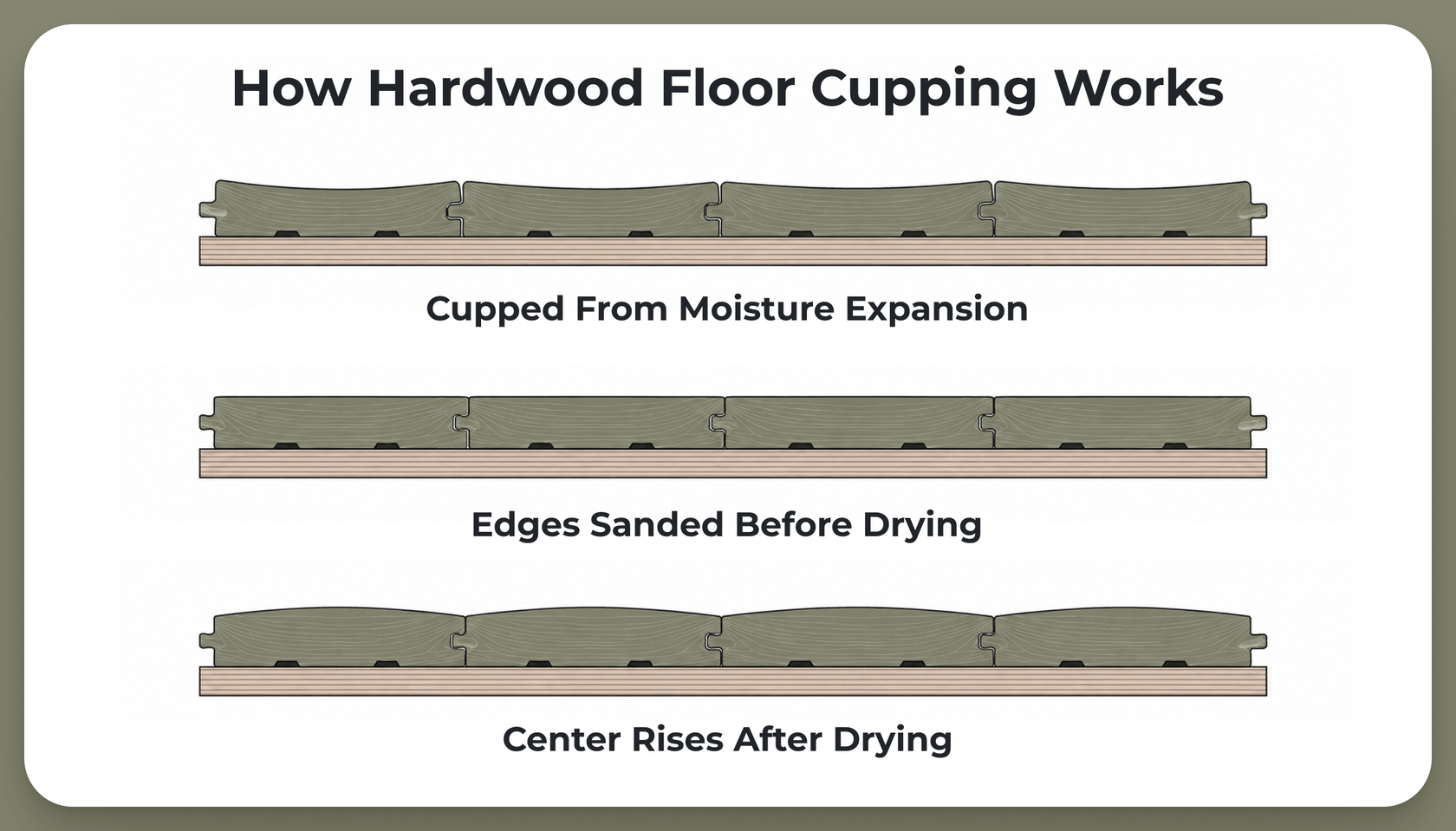
Hardwood floor cupping happens when the edges of each board rise higher than the center. It usually means the bottom of the board has more moisture than the top, creating a moisture imbalance through the thickness of the wood.
Common signs of wood floor cupping include:
- The board edges feel slightly raised under bare feet.
- Light from a window shows shallow troughs along the floor.
- The center of each board looks lower than both sides.
- The problem may appear across one room or near a specific moisture source.
- Minor cupping may improve after the moisture source is fixed and the drying process is controlled.
What Is Hardwood Floor Crowning?
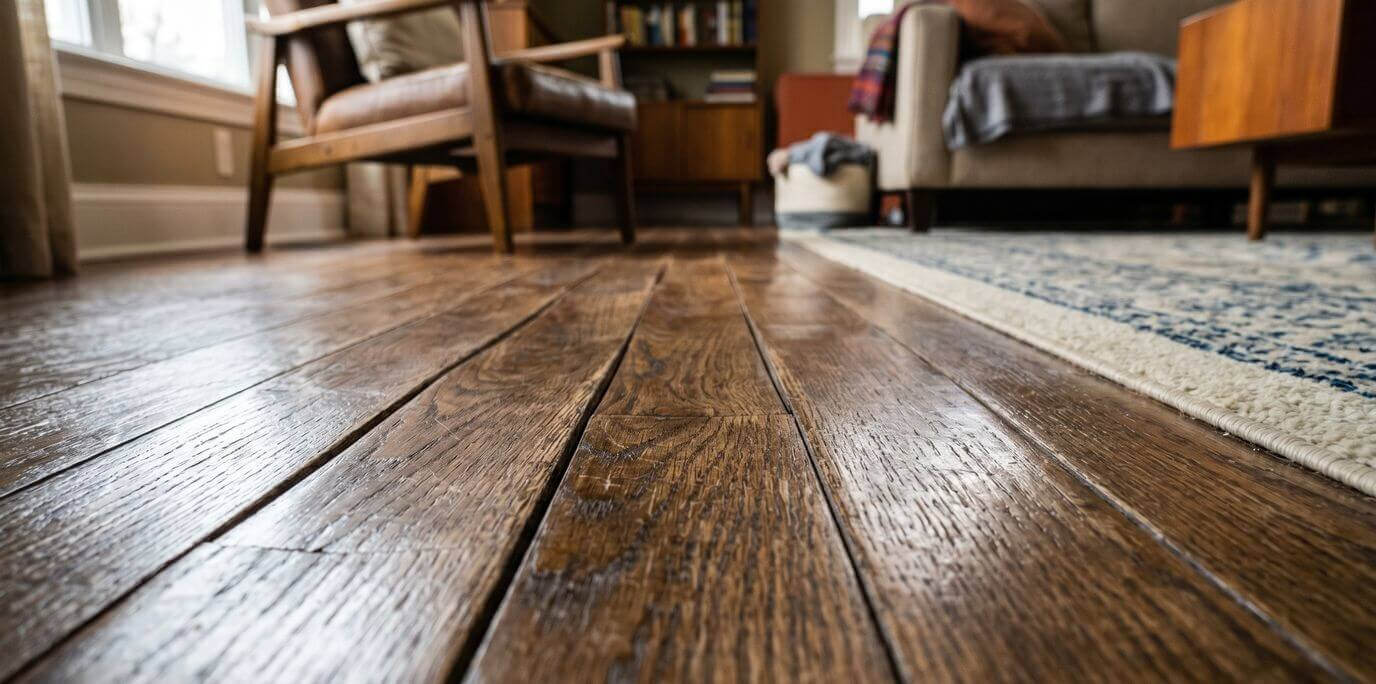
Crowning happens when the center of a hardwood board rises higher than the edges. It is the opposite shape of cupping, and it can appear after surface moisture or after a cupped floor was sanded before the wood finished drying.
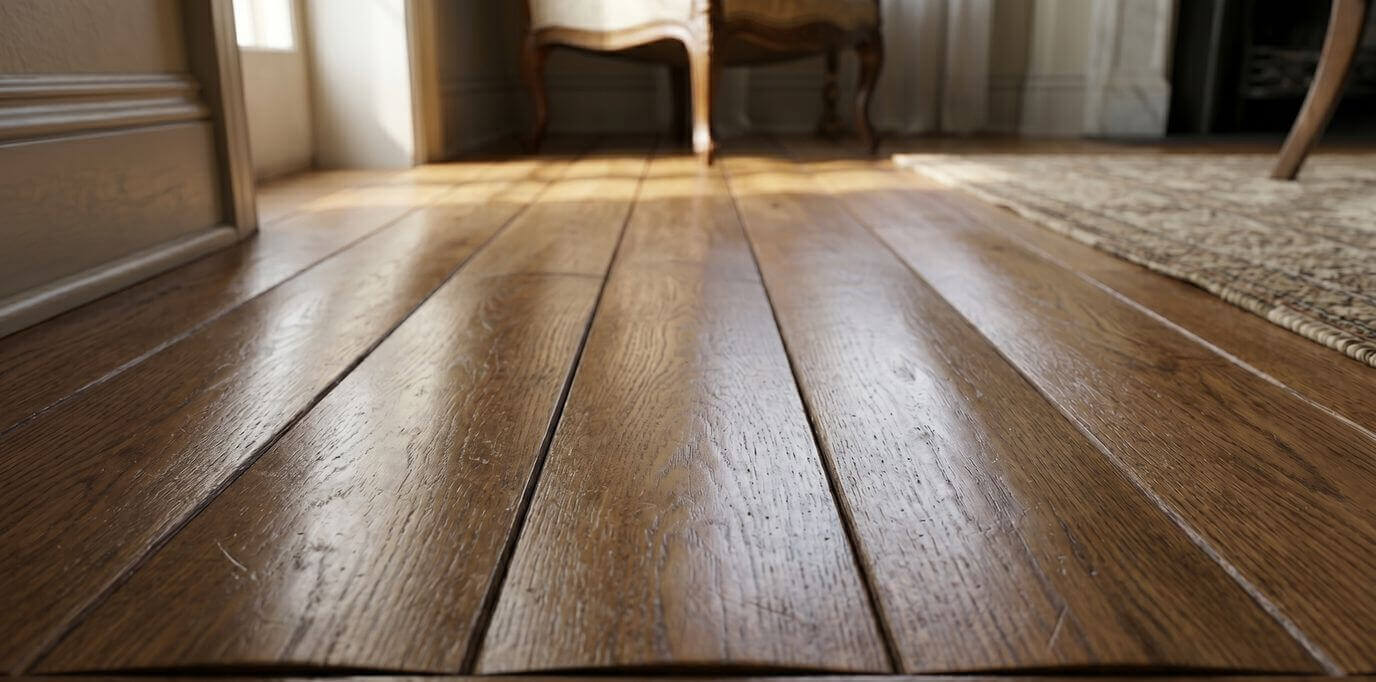
Crowning usually shows up in two ways:
- The middle of each board feels higher than the sides.
- The floor looks rounded instead of hollowed.
- The surface may look smooth, but still feel uneven underfoot.
- The problem may appear after wet cleaning, spills, or an unfinished drying cycle.
- A previously cupped hardwood floor can crown later if it was sanded too early.
What Is Hardwood Floor Buckling?
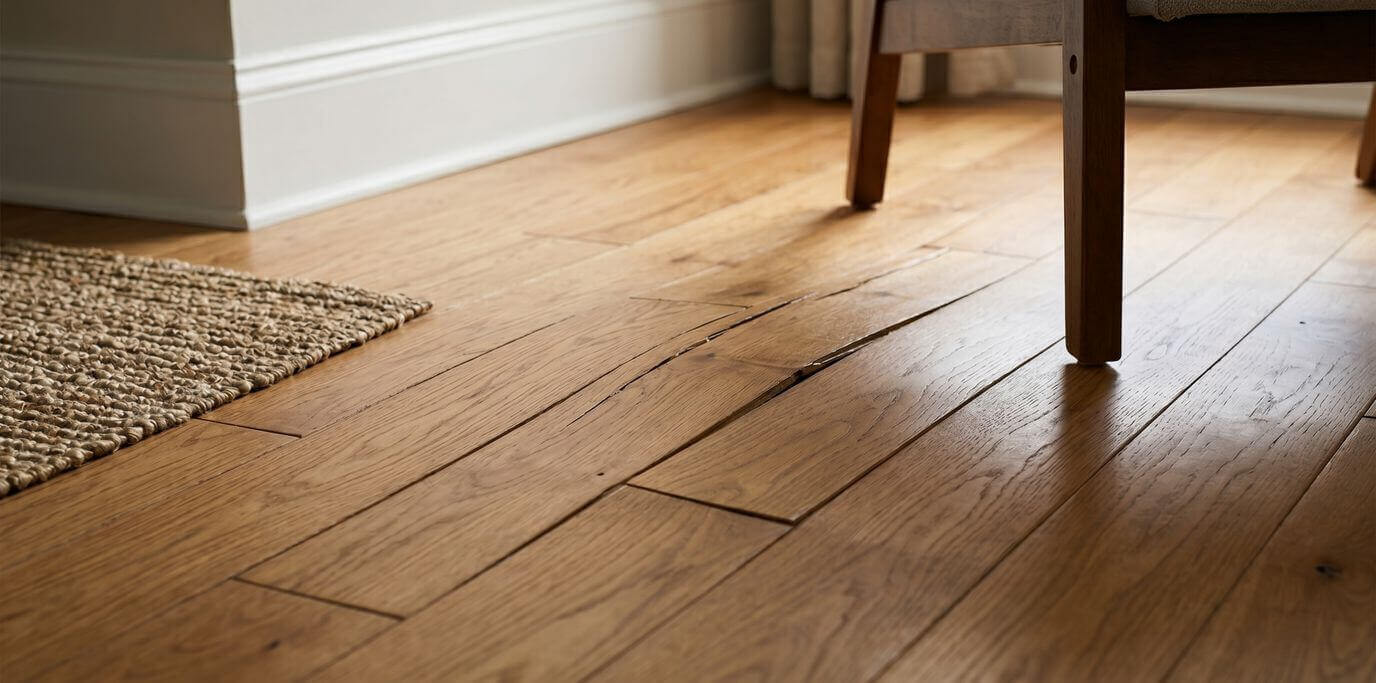
Hardwood floor buckling happens when boards lift, separate, or pull away from the subfloor. A buckled floor is usually more serious than cupping because the flooring may have lost its connection to fasteners, adhesive, or the subfloor below.
A buckled hardwood floor may look or feel like this:
- A raised hump or tented area appears in the floor.
- Boards move, flex, or sound loose when stepped on.
- Gaps open between boards or near the wall.
- The floor lifts after a water leak, flooding, or plumbing problem.
- The boards push hard against walls, transitions, or cabinets.
- In severe cases, tongues, grooves, fasteners, or adhesive bonds can fail.
Wood floor buckling is often connected to water damage, excessive moisture, concrete subfloor moisture, poor acclimation, improper installation, or missing expansion gaps. The wood expands, but the floor has nowhere safe to move.
What Is Floor Peaking?
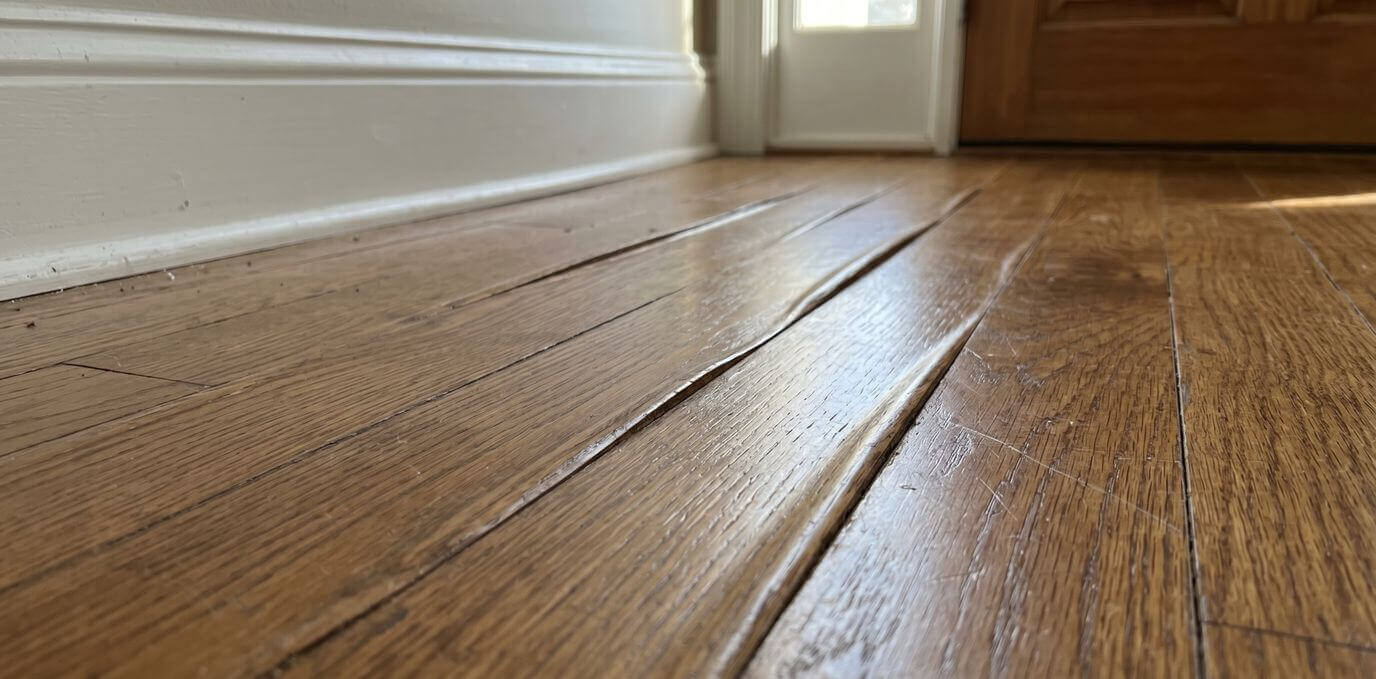
Floor peaking happens when boards push against each other and rise at the seams. It is usually caused by pressure, lack of expansion space, or swelling from moisture.
Peaking is most noticeable in specific places:
- Along board joints or seams.
- Near walls or doorways.
- Around transitions between rooms.
- Beside cabinets, built-ins, or fixed objects.
- In long flooring runs where the floor does not have enough space to expand.
This is different from full floor buckling. Peaking usually appears at seams first. Buckling can lift a larger section away from the subfloor.
Why Hardwood Floors Cup, Buckle, or Warp
Hardwood floors usually cup, buckle, or warp because the wood floor has taken on excess moisture, dried unevenly, or lost enough space to expand. The real cause may be a water leak, high humidity, subfloor moisture, a damp crawl space, a wet concrete subfloor, or improper installation.
Wood is not static. It keeps reacting to temperature and humidity levels inside the home. When moisture content changes unevenly from the top of the board to the bottom, the shape of the floor changes too. That is when problems show up.
| Cause | How It Affects the Floor | Common Signs |
| High humidity | The wood planks start absorbing moisture from the air and expand across their width. | Minor cupping, a slightly raised edge on boards, seasonal movement, or small gaps after the floor dries. |
| Plumbing leaks | Water reaches the hardwood boards, the seams, or the subfloor under the flooring. | Sudden floor cupping, swelling, staining, dark edges, or wood floor buckling near kitchens, bathrooms, or laundry areas. |
| Flooding or standing water | Excessive moisture enters the boards quickly and may stay trapped below the surface. | Severe cupping, loose boards, soft spots, lifted seams, or buckled hardwood floors after water damage. |
| Wet subfloor | Moisture moves upward from plywood, OSB, or another wood subfloor. | Wood floor cupping with no obvious surface spill, uneven moisture levels, or repeated movement in the same area. |
| Damp crawl space or basement | Humid air rises from below and keeps feeding moisture into the floor system. | Repeated cupped floors, musty odor, wider moisture readings, and cupping that returns after the surface dries. |
| Wet concrete subfloor | Moisture vapor moves through the slab and affects glue-down or floating floors. | Adhesive failure, hollow spots, floor buckling, or cupping over slab areas. |
| Poor acclimation | New flooring was installed before it adjusted to the home’s indoor conditions. | Gapping, swelling, hardwood floor buckling, or movement soon after installation. |
| Missing expansion gaps | The boards expand but cannot move freely at walls, transitions, or fixed objects. | Peaking at seams, pressure near walls, or buckling floors in long flooring runs. |
| Missing or wrong vapor barrier | Moisture from below reaches the flooring instead of being controlled by the correct installation system. | Moisture problems over slabs, basements, or crawl spaces, especially when no moisture protection was used. |
| Poor ventilation | Trapped humidity keeps the area under or around the floor too damp. | Slow drying, recurring moisture issue, musty smell, or cupping that improves only after proper ventilation is restored. |
| Steam mopping or wet cleaning | Surface water and heat push moisture into the seams and finish. | Raised grain, cloudy finish, edge swelling, hardwood floor cupping, or warped floorboards after cleaning. |
| Heavy fixed objects | Cabinets, islands, or built-ins can restrict floor movement if the floor is trapped underneath. | Pressure lines, peaking, or minor buckling around fixed objects. |
| Improper installation | Wrong fasteners, bad adhesive, uneven subfloor prep, or ignored moisture testing can make the floor fail early. | Loose floor planks, hollow spots, movement underfoot, or floor buckling after the existing floor was installed. |
A moisture meter helps confirm whether the floor is still actively wet or already stable. If readings are high, repair should wait until the drying process is complete.
You cannot fix hardwood floor cupping correctly until the moisture source is found and controlled. If the leak is not repaired, the humidity level stays too high, or the subfloor remains wet, sanding or replacing damaged boards may only hide the problem for a short time.
What Should You Do First If Your Wood Floor Got Wet?
If your wood floor got wet and buckled, treat it as a moisture problem before treating it as a finish problem. Stop the water, start a controlled drying process, and check whether moisture reached the boards, the subfloor, or the room below.
Follow this order:
- Stop the water source first. Shut off the supply line, fix the appliance issue, or contain the water leak before drying the floor.
- Remove standing water. Use towels, extraction equipment, or a wet vacuum when appropriate. Do not let water sit on seams.
- Pull up wet rugs, mats, and furniture pads. They trap excess moisture against the finish and can cause a warped wood floor due to water damage.
- Lower the indoor humidity level. Run HVAC, dehumidifiers, and fans to stabilize temperature and humidity levels.
- Use airflow, but avoid extreme heat. Heat guns, space heaters, or forced high heat can dry the surface too fast while the underside still holds more moisture.
- Check nearby moisture sources. Look around appliances, plumbing, walls, basements, the crawl space, and any concrete subfloor below the affected area.
- Do not sand, stain, or refinish yet. Hardwood floor water damage cupping repair starts with moisture control, not cosmetic work.
- Call a floor repair professional if the boards are lifting. Wood floor buckling from water damage can break fasteners, loosen adhesive, damage tongues and grooves, or hide a wet subfloor.
| Mistake | Why It Can Make the Problem Worse |
| Sanding while the floor is still wet | The floor can crown after the boards dry |
| Covering the area with rugs | Moisture can stay trapped against the finish |
| Forcing boards down with weight | The boards or tongue and groove can crack |
| Ignoring a soft subfloor | New boards can fail over damaged material |
| Using a steam mop | Heat and moisture can enter seams and worsen cupping |
| Replacing boards before drying | The same movement can return after repair |

Caught Water Damage Early?
Will Cupped or Buckled Floors Go Back Down?
Cupped floors may go back down if the moisture source is fixed early and the floor dries evenly, but buckled hardwood floors are less likely to recover without repair. Floor cupping is usually a shape distortion, while floor buckling means the boards have started losing their bond to the subfloor.
A floor that is only slightly raised can sometimes settle. A floor that is lifted, loose, split, or soft underfoot needs a closer look.
Will Cupped Wood Floors Flatten?
Cupped wood floors can flatten when the moisture problem is caught early, the humidity level is brought under control, and the boards dry slowly from both sides. If the wood floor cupping remains after the moisture content stabilizes, professional hardwood floor sanding and refinishing may be needed.
What affects recovery:
- Minor cupping has the best chance of improving after the leak, high humidity, or subfloor moisture is corrected.
- Moderate cupping may improve partly, but some board shape can remain after the drying process.
- Severe cupping can leave permanent compression in the wood planks.
- Thick, solid hardwood floors usually allow more repair flexibility than thin engineered wood floors.
- A wet crawl space, damp concrete subfloor, or missing proper ventilation can keep feeding moisture into the floor.
- A moisture meter should confirm that readings are stable before anyone sands the surface.
Will Buckled Hardwood Floors Go Back Down?
Buckled hardwood floors may settle slightly if the movement is minor and the pressure is corrected, but true hardwood floor buckling usually needs repair. Once boards lift away from fasteners, adhesive, or the subfloor, they rarely return to a flat, secure position on their own.
Buckling is more serious when:
- The floor planks move when stepped on.
- The boards are loose, split, or severely swollen.
- The floor lifted after a water leak or water damage.
- The area feels soft, hollow, or unstable.
- The entire floor is under pressure because there are not enough expansion gaps.
- The problem started after new flooring, improper acclimation, or improper installation.
Why You Should Not Sand Cupped Floors Too Soon
You should not sand floor cupping while the boards are still wet because the floor can crown after it dries. The safe repair order is moisture control first, stable readings second, sanding or refinishing third.
Here is what goes wrong when sanding happens too early:
- The raised edges are cut down while the boards still contain excessive moisture.
- As the floor dries, the center of each board can rise higher than the edges.
- The original cupping turns into crowning.
- The floor may need another sanding, or the damaged boards may need replacement.
- On thin engineered wood floors, there may not be enough wear layer to correct the mistake.
To fix hardwood floor cupping correctly, the moisture issue has to be solved first. A fixed leak, stable relative humidity, and controlled indoor conditions matter more than fast sanding.
How to Fix Cupping, Buckling, and Warped Floorboards
Hardwood floor cupping repair, buckled hardwood floor repair, and warped hardwood floor repair in Chicago all depend on one thing first: whether the floor and subfloor are dry. If the wood floor still has trapped moisture, sanding or installing new boards can hide the damage and make the repair fail later.
The repair path depends on the shape of the damage, moisture content, subfloor condition, and floor type. Solid hardwood floors usually give more repair flexibility than thin engineered wood floors.
| Where the Problem Starts | What to Check |
| Surface of the floor | Spills, wet mopping, steam mop use, pet bowls, wet rugs, and repeated moisture exposure. |
| Under the floor | Plywood, OSB, concrete subfloor, adhesive failure, missing vapor barrier, and trapped moisture. |
| Around the room | Dishwasher, refrigerator, sink, toilet, laundry machine, exterior doors, and plumbing leaks. |
| Below the room | Basement, crawl space, slab moisture, poor drainage, and lack of proper ventilation. |
| Indoor environment | High humidity, dry winter air, HVAC changes, and unstable temperature and humidity levels. |
How to Fix Cupping Hardwood Floors
Fixing cupped hardwood floors starts with drying. Once the boards are stable, you can safely decide whether refinishing is enough or replacement boards are needed.
-
Dry and stabilize the floor
Keep the room conditions steady during the drying process and avoid sudden heat.
-
Check the moisture readings
Use a moisture meter before u003ca href=u0022https://bigbrohardwood.com/hardwood-floor-sanding-and-refinishing-chicago/u0022u003esanding or refinishingu003c/au003e.
-
Watch how much shape remains
Minor cupping may flatten, while moderate or severe cupping may leave visible distortion.
-
Sand and refinish if the boards are stable
This works when the floor is dry, secure, and thick enough to sand.
-
Replace boards when damage is permanent
Split boards, dark stains, soft spots, or severe cupping may need replacement boards instead of refinishing the entire floor.
How to Repair Buckled Hardwood Floors
To repair buckled hardwood floors, lifted boards usually need to be released, inspected, dried, and reset or replaced. True hardwood floor buckling often means the flooring has pulled loose from fasteners, adhesive, or the subfloor.
A professional repair may include:
- checking for water damage or tight expansion gaps
- removing trim if the floor has no room to move
- lifting damaged boards with a pry bar when moisture is trapped below
- inspecting plywood, OSB, or a concrete subfloor
- drying the subfloor before installing new boards
- replacing damaged boards that are split, swollen, or loose
- sanding, staining, and finishing the repaired area if it can be blended
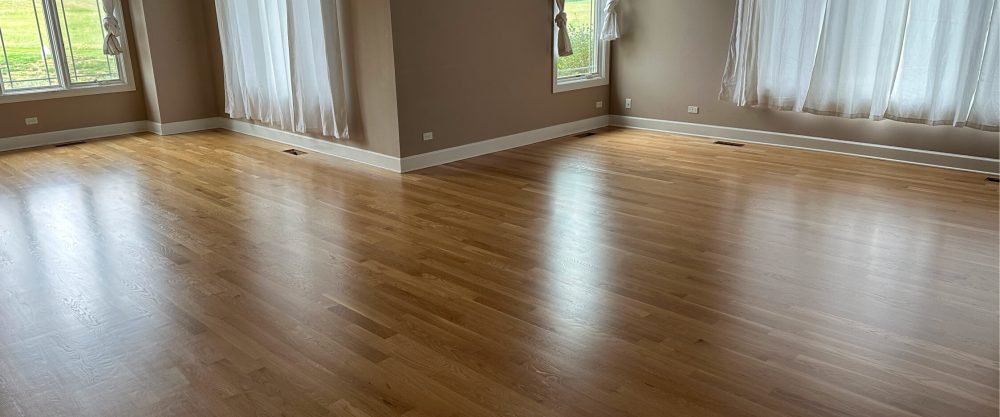
Minor buckling may settle if it is caught early. Severe wood floor buckling usually needs board removal because lifted boards rarely lock back into place cleanly.
Do not force a buckled floor down with screws or heavy weight. That hides the symptom, not the cause.
How to Repair Warped Hardwood Floors Without Replacement
You may be able to repair warped hardwood floors without replacement when the boards are stable, the subfloor is dry, and the movement is light. Replacement becomes more likely when floorboards are warped from long-term moisture, rot, delamination, or broken tongues and grooves.
Repair without replacement is more realistic when:
- the floor has minor cupping
- boards are only slightly raised
- the leak has been fixed
- the subfloor is dry and firm
- the finish is damaged but the boards are stable
- solid hardwood floors have enough thickness for sanding
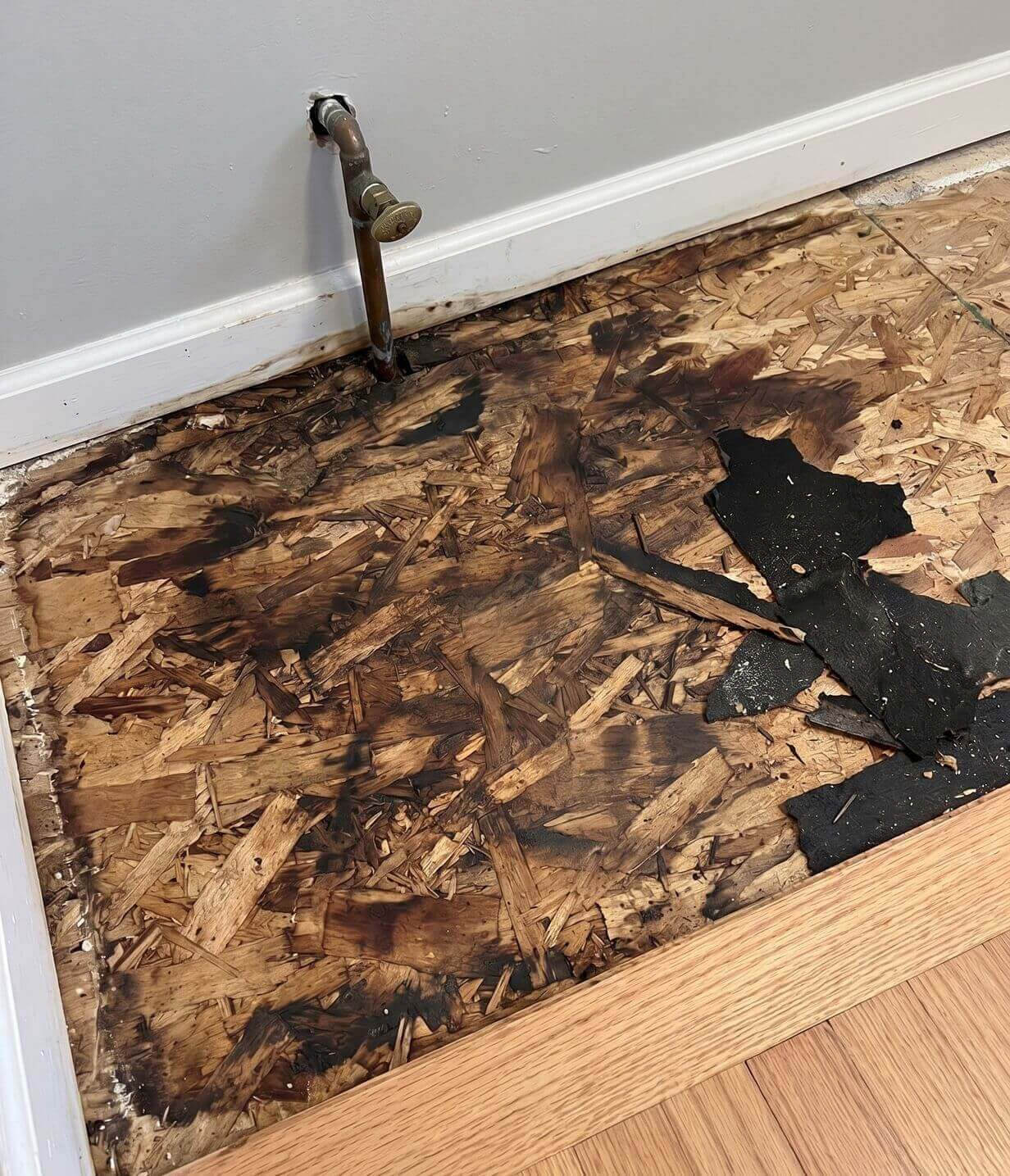
We had a job where the floor looked like a small repair at first. A few boards were lifted, and it seemed like we could replace only the visible damaged boards. But after we removed them, the subfloor underneath was badly affected by moisture. In that situation, putting good boards over a wet or damaged subfloor would risk mold, odor, loose boards, and the same floor buckling coming back. We recommended replacing all boards over that damaged section, not just the ones that looked bad from the top.

Not Sure If It Is Fixable?
Preventing Hardwood Floor Buckling and Cupping
Preventing hardwood floor buckling and hardwood floor cupping comes down to steady moisture control, safe cleaning, and proper installation. Hardwood floors can handle normal seasonal movement, but standing water, trapped humidity, wet subfloors, and tight installation can push the floor out of shape.
- Keep humidity stable. In Chicago homes, humid summers and dry heated winters can both stress a wood floor, so use dehumidifiers or a humidifier when needed to avoid major swings.
- Avoid steam mops and wet mopping. Steam and standing water can enter seams, cause floor cupping, damage the finish, or swell the boards.
- Wipe spills quickly. Water sitting near seams can become a real moisture issue, even if the surface looks fine at first.
- Fix plumbing leaks fast. Dishwasher, refrigerator, sink, toilet, and laundry leaks can lead to wood floor buckling before the surface looks badly damaged.
- Keep basements and crawl spaces dry. A damp crawl space or basement can feed moisture into the floor from below, so proper ventilation and dehumidification matter.
- Install the floor correctly. New flooring should go over a dry subfloor, acclimate to the home, have proper expansion gaps, and use the right vapor barrier or moisture system when needed.
When to Call a Hardwood Floor Repair Professional
Call a professional if the boards are lifting, the floor feels soft, the cupping does not improve after drying, or the damage started after a leak. Do not wait too long, because trapped moisture can spread into the subfloor, cause odor or mold risk, and turn a small board repair into a larger job.
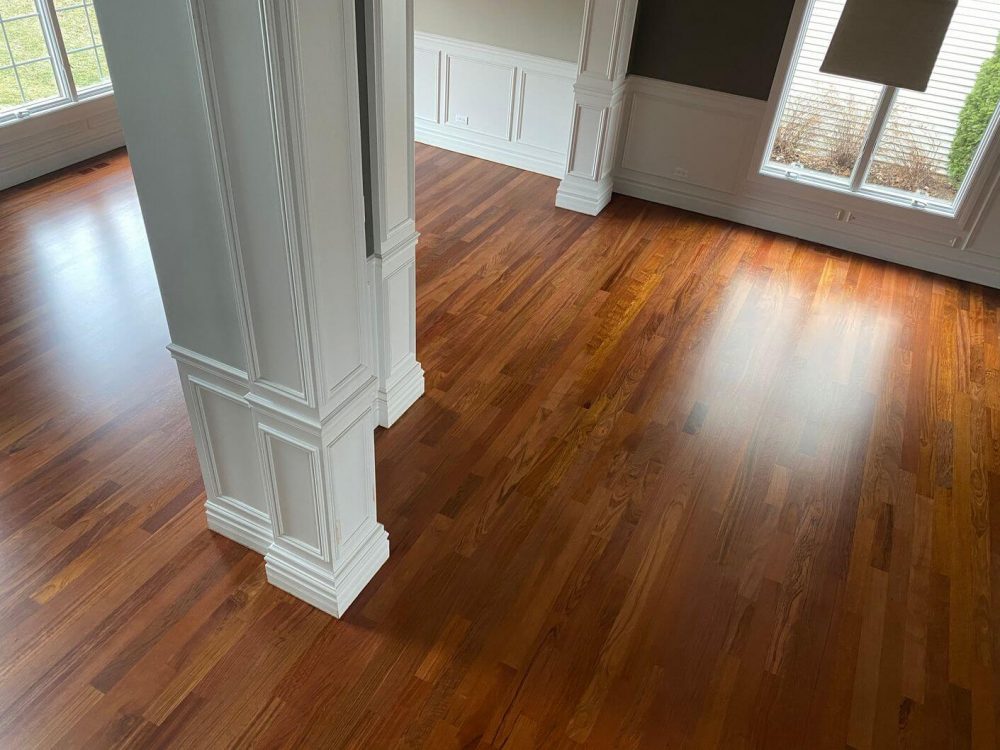
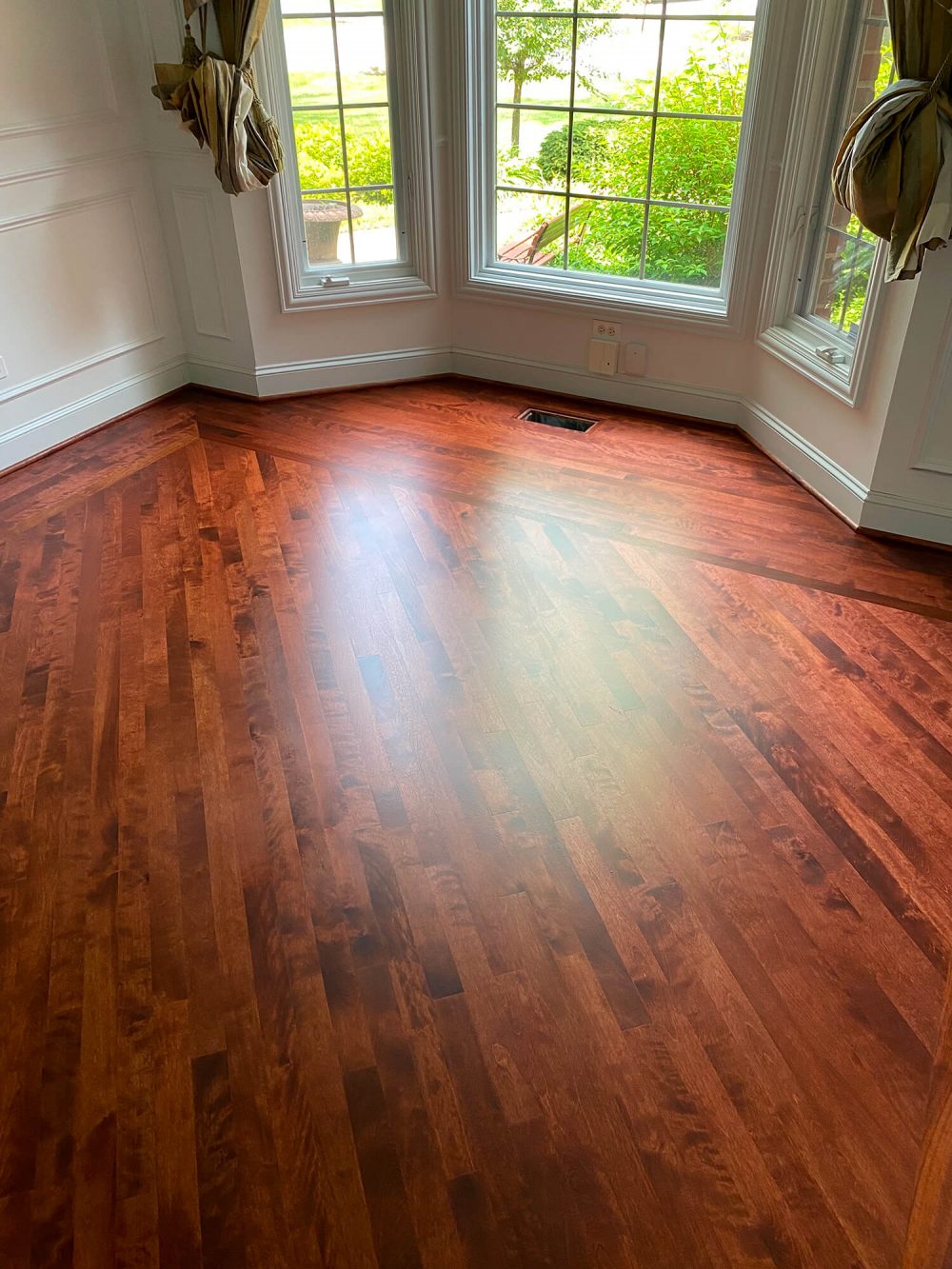
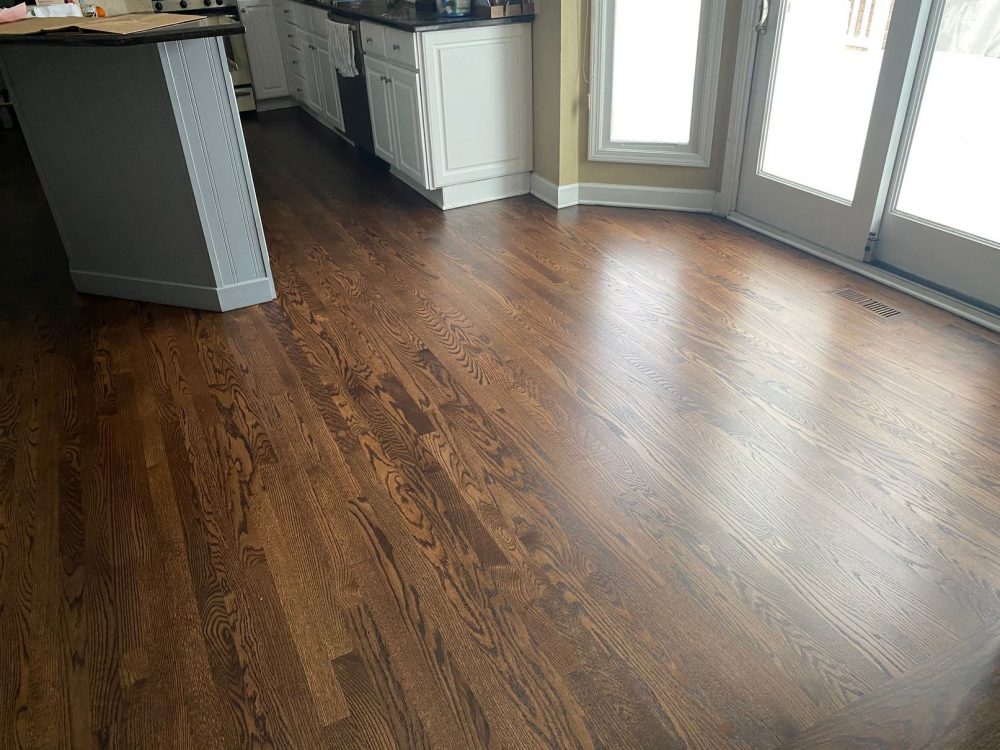
Before sanding or replacing boards, Big Bro Hardwood checks the moisture issue, board movement, subfloor condition, and whether the floor has enough thickness left to refinish. We can repair damaged boards and help decide whether your floor needs hardwood floor repair in Chicago or hardwood floor sanding and refinishing in Chicago after the wood is stable.

Final Thoughts
Cupping, buckling, and warping are not just surface issues. They usually mean the wood has reacted to moisture, pressure, or unstable conditions under or around the floor. To avoid further problems and expenses, find the source, let the floor stabilize, then decide whether the right repair is refinishing, board replacement, or subfloor work. Acting early helps protect beautiful hardwood floors and prevents further damage.
frequently asked questions
Can Engineered Hardwood Cup or Buckle?
Yes, engineered wood floors can cup, buckle, swell, or delaminate when exposed to moisture. They are more dimensionally stable than many solid hardwood floors, but they are not waterproof.
Can a Steam Mop Cause Hardwood Floor Cupping?
Yes, a steam mop can contribute to wood floor cupping because heat and moisture can enter seams and board edges. Repeated steam cleaning can also damage the finish and increase moisture exposure.
Does Homeowners Insurance Cover Water-Damaged Hardwood Floors?
Sometimes, but it depends on the cause and the policy. Sudden damage from a burst pipe may be treated differently from long-term leaks, poor maintenance, or gradual moisture problems.
Can Chicago Weather Cause Hardwood Floors to Cup or Buckle?
Yes. Chicago homes deal with humid summers and dry, heated winters, and both can stress hardwood floors. Summer humidity can make wood expand, while dry winter air can shrink boards and open gaps. The goal is not perfect humidity every day, but fewer big swings in indoor conditions.


Overall rating
5

(1 vote(s))
Comments