

 5.0
5.0


Types of Hardwood Flooring for Your Home
03/27/2026
Reading Time ~ 13 minutes
Table of Contents
Hardwood flooring is one of the most durable and attractive options for homes. When people talk about types of hardwood flooring, they usually mean two different things: the type of board and the type of wood. Board type means solid hardwood or engineered hardwood. Wood type means species such as white oak, red oak, maple, hickory, or walnut.
This short guide explains both. It covers the main hardwood flooring types, the most common wood species, and the difference between prefinished and unfinished boards. It also briefly explains which popular flooring materials are not real hardwood.
Article Highlights:
- Solid hardwood uses a single piece of real wood and is the best fit when long sanding life and repeated refinishing matter most.
- Engineered hardwood uses multiple layers with a real wood wear layer, so it is usually the safer choice over concrete slabs, over radiant heat, and in rooms with higher humidity or moisture swings.
- White oak, red oak, maple, hickory, walnut, and cherry are the main hardwood flooring wood types, and each species has its own changes in hardness, grain pattern, stain response, and price.
- Prefinished flooring speeds up the project, while unfinished flooring gives more customization on color, sheen, and site-applied stain.
- Laminate flooring, luxury vinyl plank, and bamboo can mimic wood look flooring, but only products with real wood on the top surface qualify as wood flooring under the NWFA definition.
Main Types of Hardwood Flooring
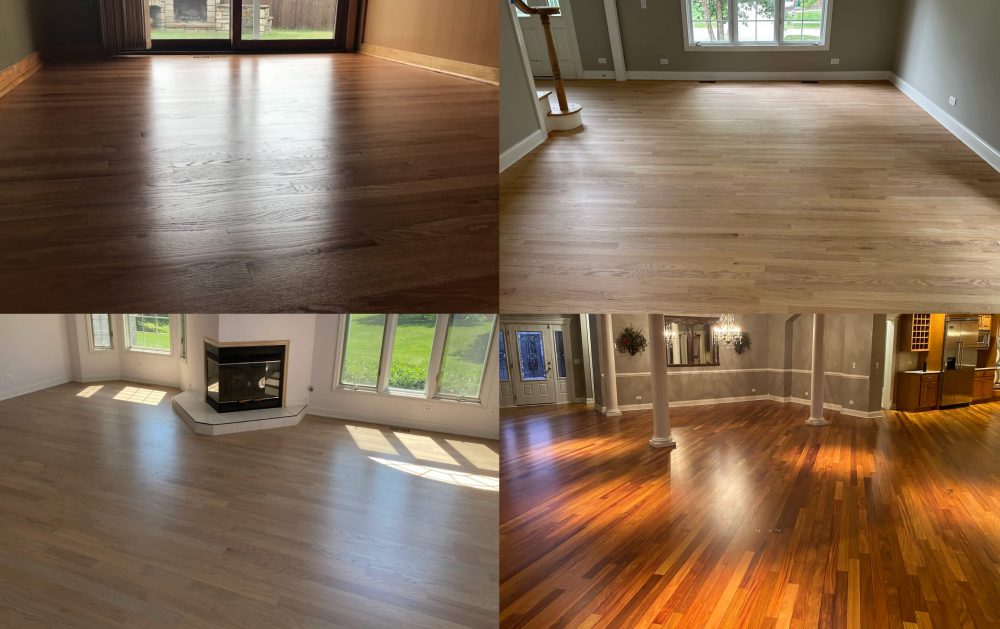
The main types of hardwood flooring are solid hardwood flooring and engineered hardwood flooring. Both are real wood flooring products, but they differ in construction, moisture performance, hardwood installation options, and how many times they can be sanded and refinished.
Solid Hardwood Flooring
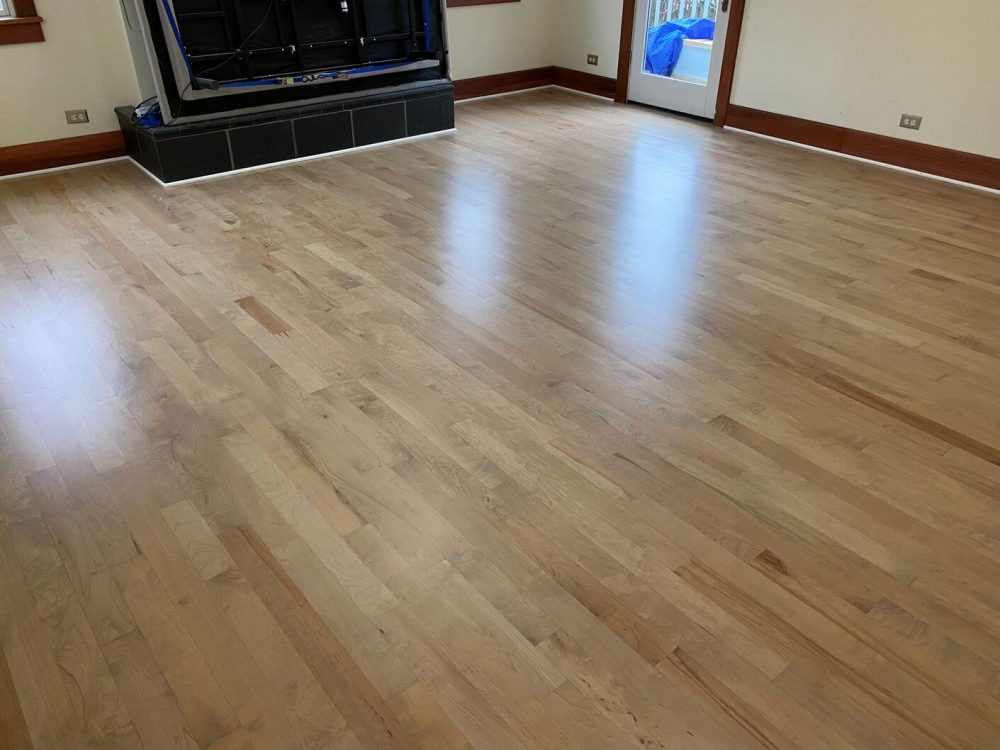
Solid hardwood flooring is made from one solid piece of wood. This is the original hardwood floor. It’s been used in American homes for over 300 years, and there’s a reason it never went away. A solid oak floor installed today can be sanded and refinished up to 10 times before the tongue-and-groove is exposed, which translates to a lifespan well beyond 100 years with proper care.
Key features of solid hardwood:
- made from one piece of natural wood
- can be sanded and refinished multiple times
- usually installed over a wooden subfloor
- works best in main living spaces and bedrooms
- more sensitive to moisture and humidity
Engineered Hardwood Flooring
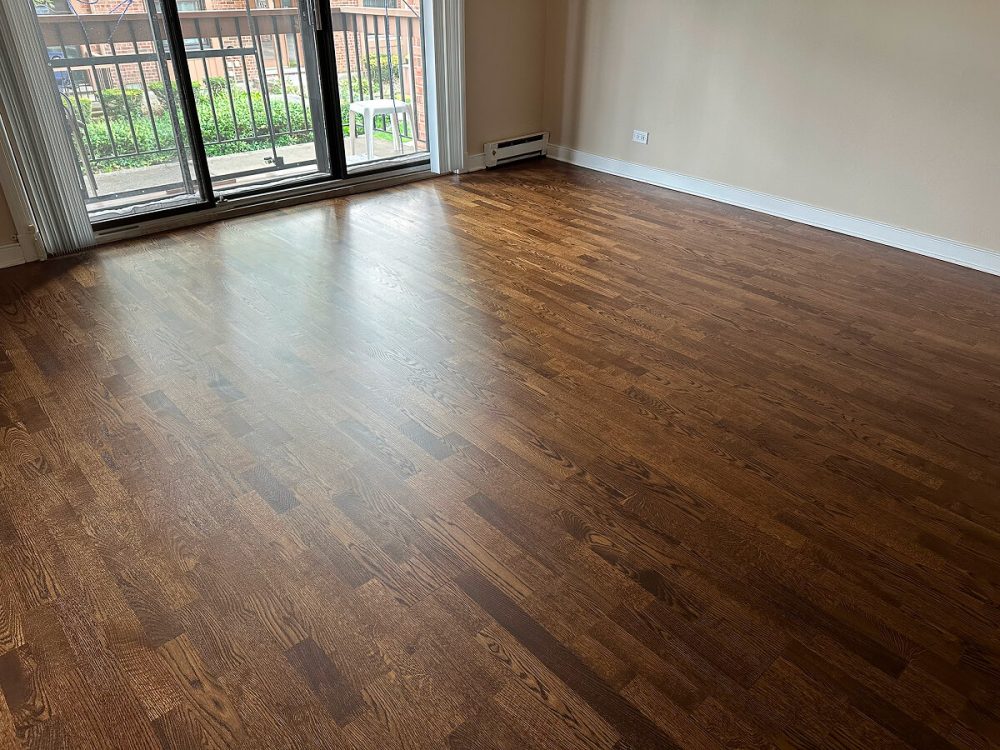
Engineered hardwood flooring uses a real wood surface over multiple layers of plywood or similar core material. It is still genuine wood on top, but the layered structure gives engineered wood floors better dimensional stability in rooms with changing humidity or over concrete slabs.
Benefits of engineered hardwood:
- made with a real wood top layer
- built from multiple layers for better stability
- works well over concrete slabs and plywood
- often a better fit for moisture-prone areas
- can sometimes be refinished, depending on the wear layer
| Feature | Solid Hardwood | Engineered Hardwood |
|---|---|---|
| Construction | One solid piece of wood | Real wood top over multiple layers |
| Best For | Main living spaces | Concrete, radiant heat, humidity swings |
| Moisture Stability | Lower | Better |
| Over Concrete | Usually no | Usually yes |
| Over Radiant Heat | Riskier | Usually better |
| Refinishing | More times | Depends on wear layer |
| Lifespan | Very long | Long, but product-dependent |
| Main Downside | Moves more with moisture | Less sanding life |
Popular Hardwood Flooring Species
The most common types of wood flooring in U.S. homes are white oak, red oak, maple, hickory, walnut, cherry, birch, and ash. These wood species change the look of the floor, but they also affect durability, grain pattern, color, and how the hardwood flooring handles daily wear. There are also some exotic options, but those are usually mor expensive.
The usual way to compare hardness and durability is the Janka Scale. The higher the number, the harder the wood and the better it usually resists dents. That said, Janka measures the species itself, not the full performance of a finished floor, because engineered hardwood flooring, wear layer thickness, finish, and installation also matter.
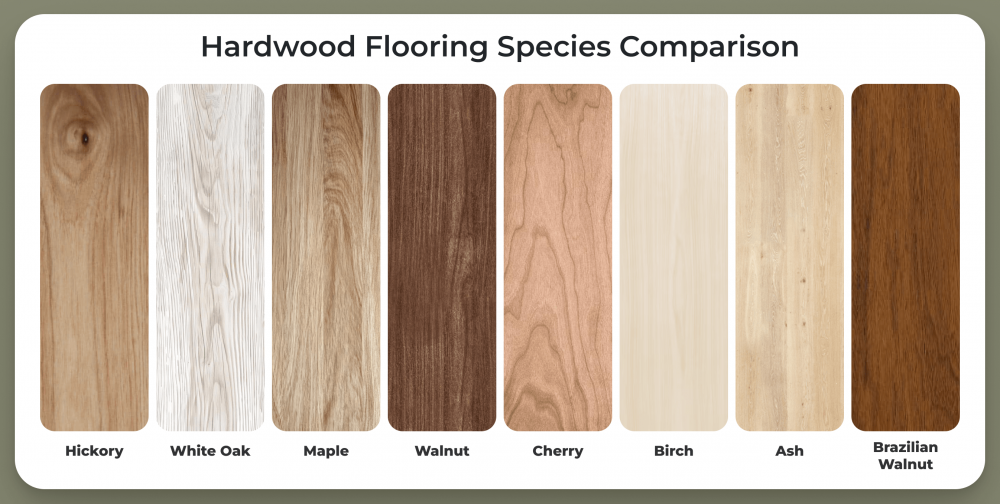
| Name | Hardness | How Fast It Starts to Wear | Pattern Complexity | Main Drawback |
|---|---|---|---|---|
| White Oak | Janka 1,350 | Slow | Medium | Usually costs more than red oak |
| Red Oak | Janka 1,290 | Medium-slow | Medium-high | More open grain, less water-tolerant than white oak |
| Maple | Janka 1,450 | Slow | Low | Harder to stain evenly |
| Hickory | Janka 1,820 | Very slow | High | Busy look is not for every home |
| Walnut | Janka 1,010 | Medium-fast | Medium | Softer than oak, maple, and hickory |
| Cherry | Janka 950 | Fast | Low-medium | Darkens with age and dents easier |
| Birch | Janka 1,260 | Medium | Low-medium | Less forgiving with stain |
| Ash | Janka 1,320 | Medium-slow | Medium | Harder to source now in some markets |
| Pine | Janka 380 to 870, depending on species | Fast | Low-medium | Dents very easily |
| Brazilian Cherry | Janka 2,350 | Very slow | Medium | Darkens a lot and usually costs more |
| Brazilian Walnut | Janka 3,684 | Extremely slow | Low-medium | Very expensive and hard to work with |
White Oak
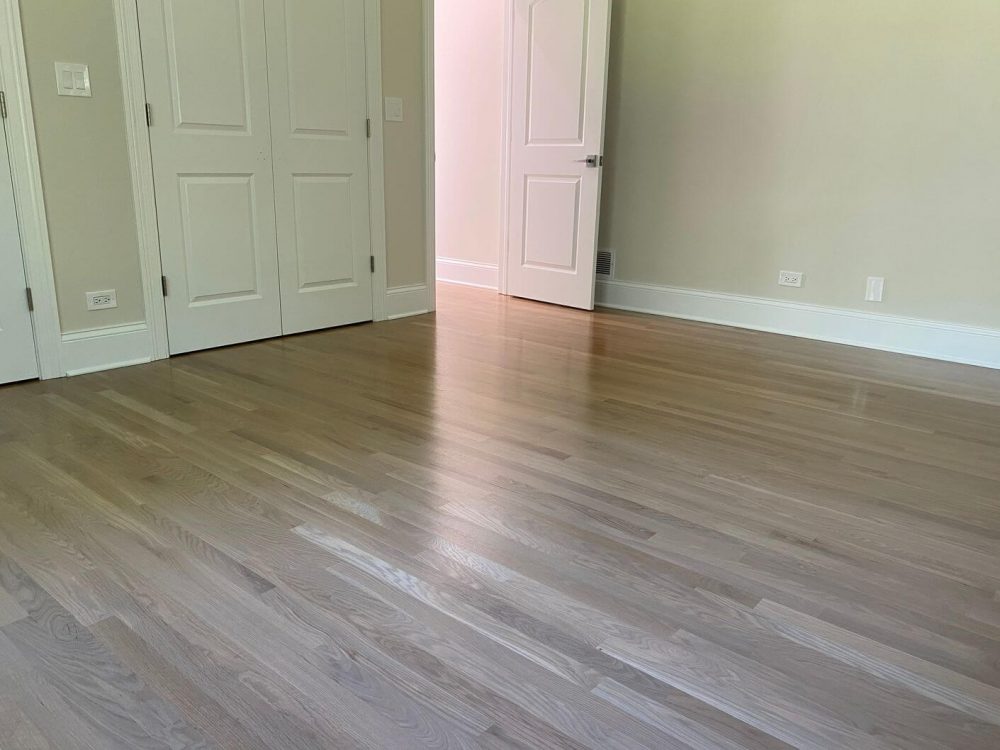
White oak (1360) is one of the safest choices in hardwood flooring because it gives you a timeless look, solid strength, and a grain that works in almost any home. The closed pore structure (thanks to tyloses in the wood cells) makes white oak naturally more water-resistant — it’s the reason whiskey barrels are made from it.
- medium grain pattern with a clean, classic look
- beige to light brown and brown tones
- durable enough for high traffic areas
- easy to use in both modern and traditional rooms
Red Oak
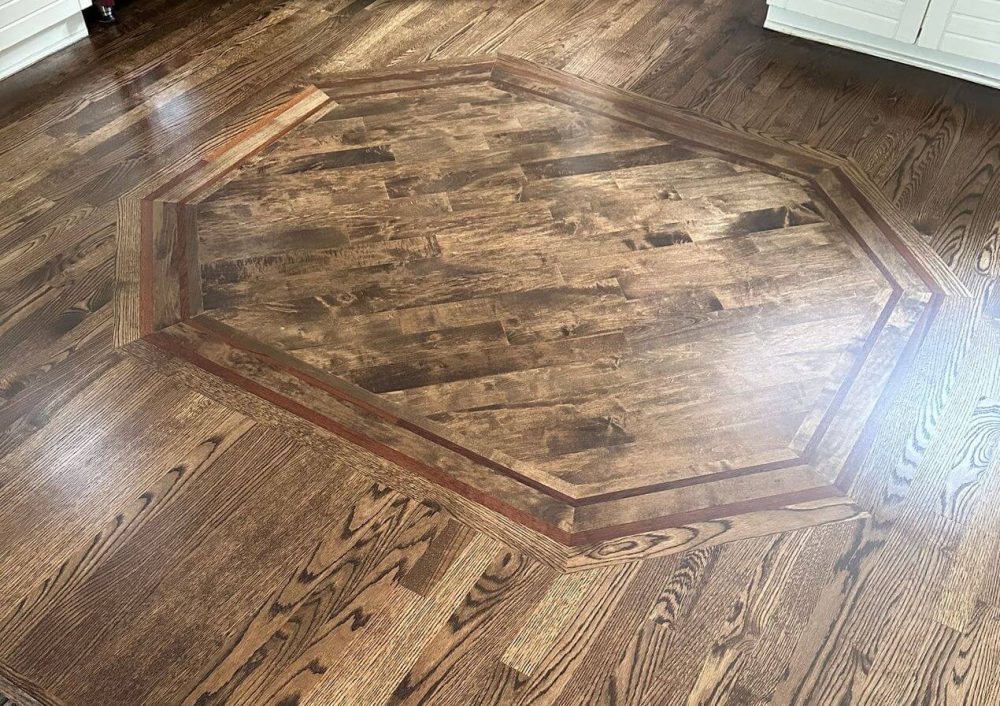
Red oak (1290) is the classic American wood flooring species. It has a warmer tone than white oak and a more visible grain, which helps the floor feel a little more relaxed and lived-in.
- warmer color with pink or red undertones
- more open, active grain pattern
- good everyday durability
- takes stain well
Based on our experience across real hardwood flooring projects, about 90% of homeowners choose red oak or white oak, while the remaining 10% is split between maple, cherry, walnut, hickory, and other wood species.
Maple
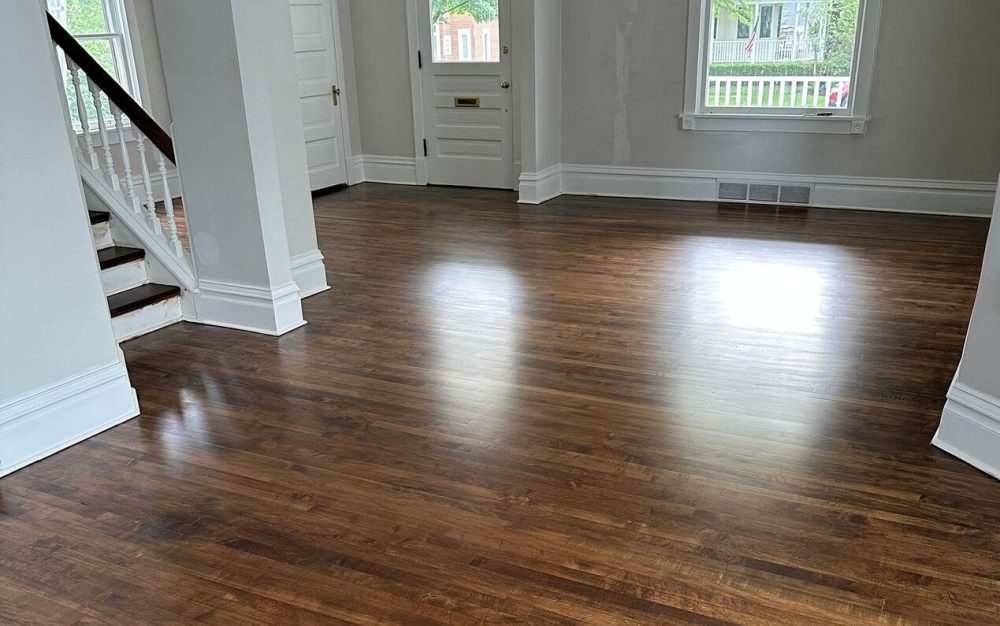
Maple (1450) works well when you want a brighter floor with a smoother, quieter look. Its grain is less busy than oak, and its hardness makes it a practical choice for busy homes.
- light, creamy color
- finer and more even grain pattern
- clean look with strong durability
- good fit for active households
Hickory
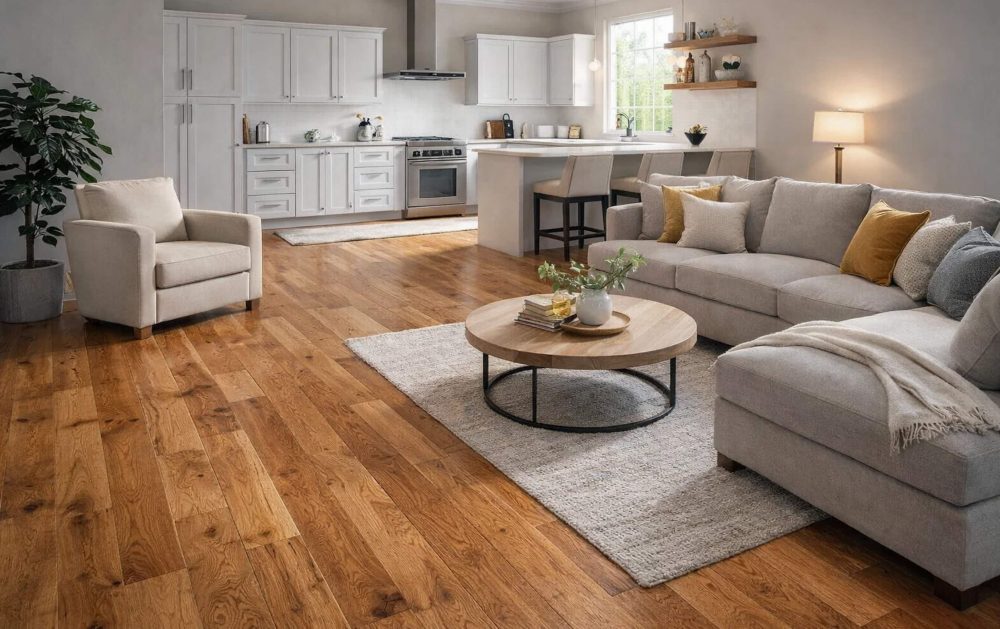
Hickory (1820) is one of the toughest domestic wood species used in hardwood flooring. It has a lot of natural movement and character. Nothing American-grown takes a beating like hickory, which makes it the top pick for homes with large dogs and heavy foot traffic.
- bold color variation from light to dark
- dramatic grain pattern
- very durable for busy homes
- strong choice for high traffic areas
Walnut
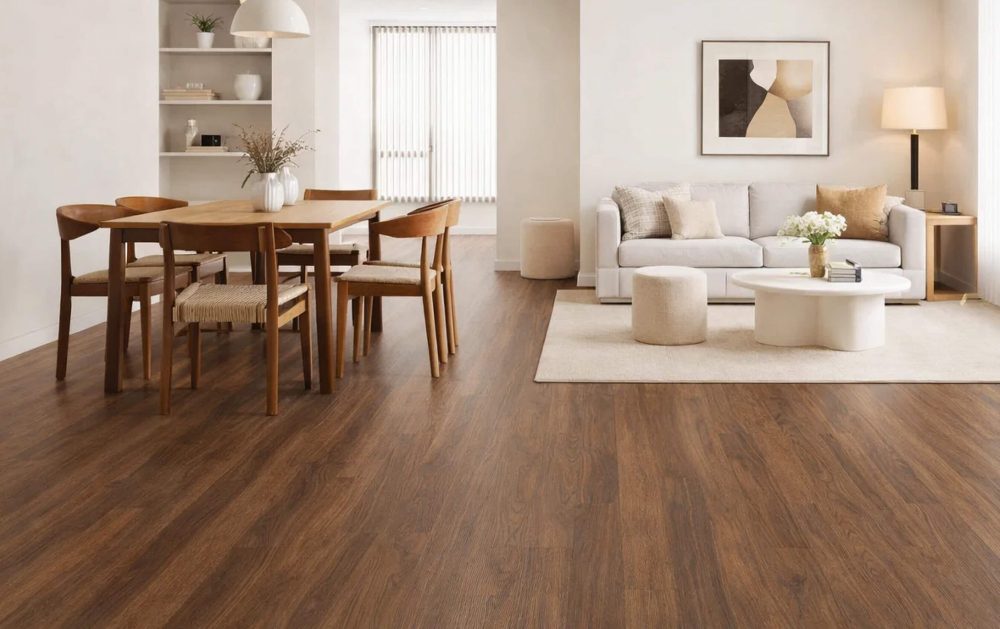
Walnut (1010) is chosen mostly for color. It brings a darker, richer look that feels more custom, but it is softer than oak, maple, or hickory.
- deep brown tone
- smoother, elegant grain pattern
- better for lower-impact rooms
- often chosen for style more than hardness
Cherry
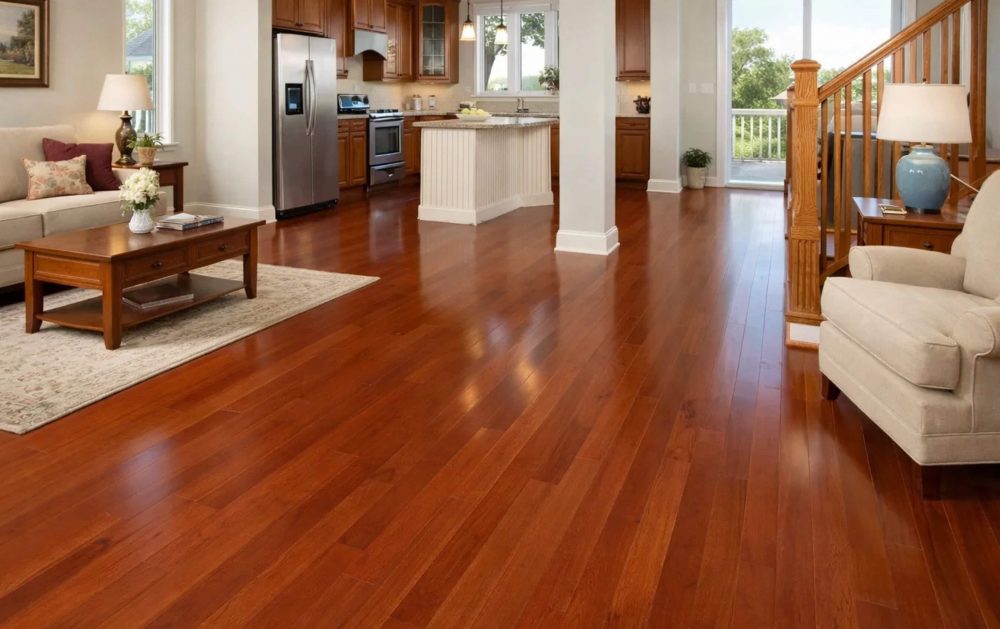
Cherry (950) has a warm, classic look that gets richer over time. It is not the hardest hardwood, but people still love it for the color and the way it ages.
- warm reddish-brown tone
- fine, softer-looking grain pattern
- darkens naturally with age
- often used where appearance comes first
Birch
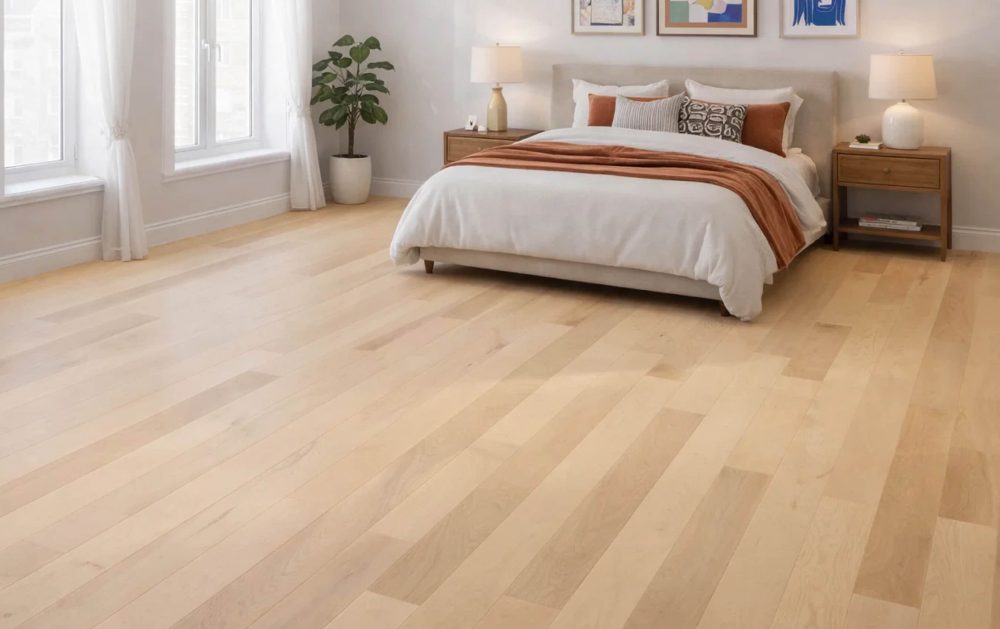
Birch (950) is a quieter-looking species that works well when you want a lighter natural wood floor without a heavy grain. It sits on the softer side compared with oak or maple, but it still offers good durability in the right room.
- pale to light tone
- fine, sometimes wavy grain pattern
- simple, clean overall look
- good for calmer interiors
Ash
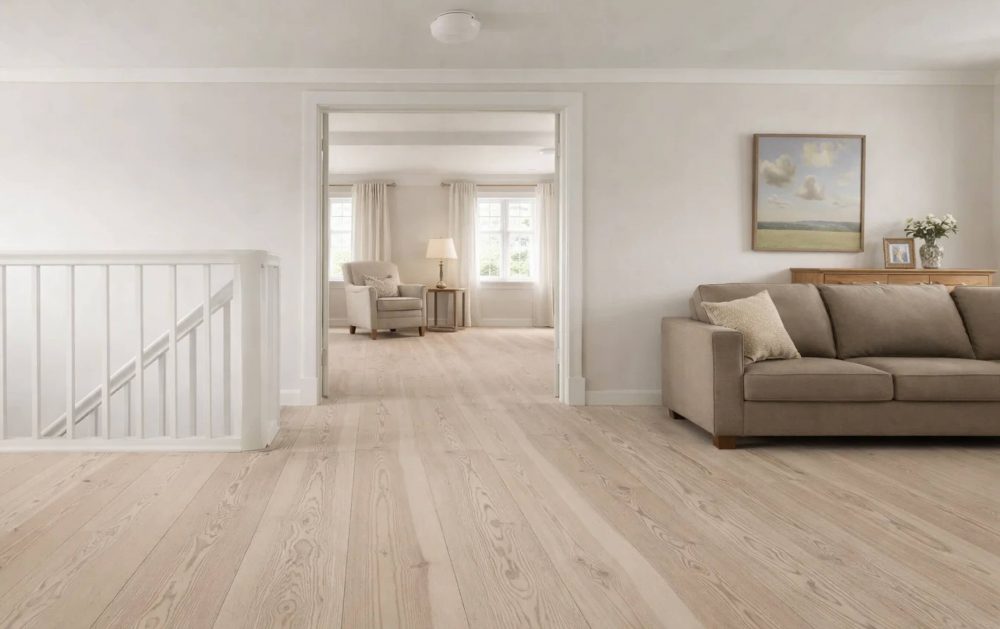
Ash (1320) has a brighter look and a more visible straight grain, which gives it more movement than maple or birch. It is also quite durable, so it works well when you want a light floor that still feels strong.
- pale to light brown color
- open, visible straight grain
- strong balance of style and durability
- good for bright, airy rooms
Pine
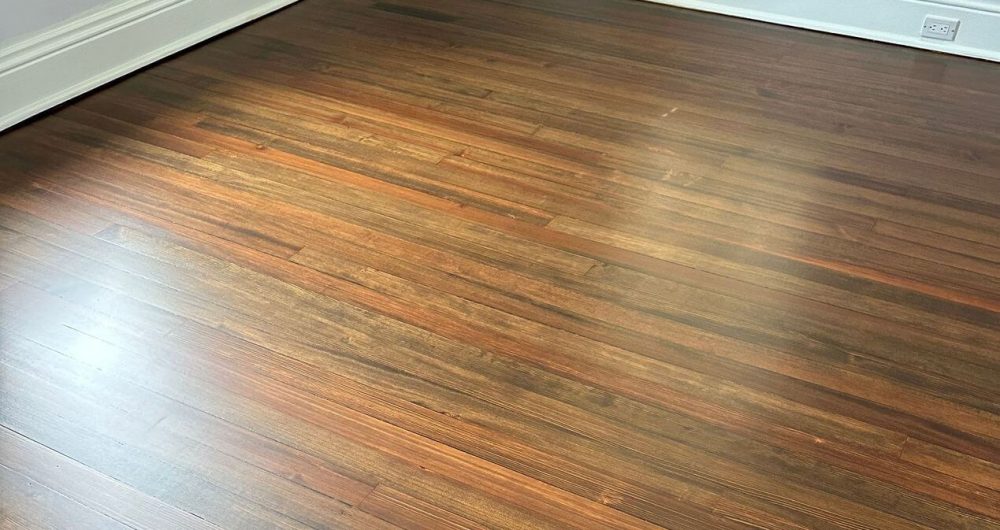
Pine (usually about 380 to 870, depending on the species) is not a hardwood, but it still shows up often in older American homes and in projects where a softer, more character-rich floor is part of the look. It dents more easily than oak, maple, or hickory, but that is also part of why many people like it. Pine develops wear faster and takes on a lived-in patina that feels natural rather than polished.
- usually has long, straight grain and a warmer, more rustic look
- much softer than most common hardwood flooring species
- common in older homes and historic floors
- better for lower-impact rooms unless you want visible wear and character
- can look beautiful over time, but it needs realistic expectations
Exotic Hardwood Species
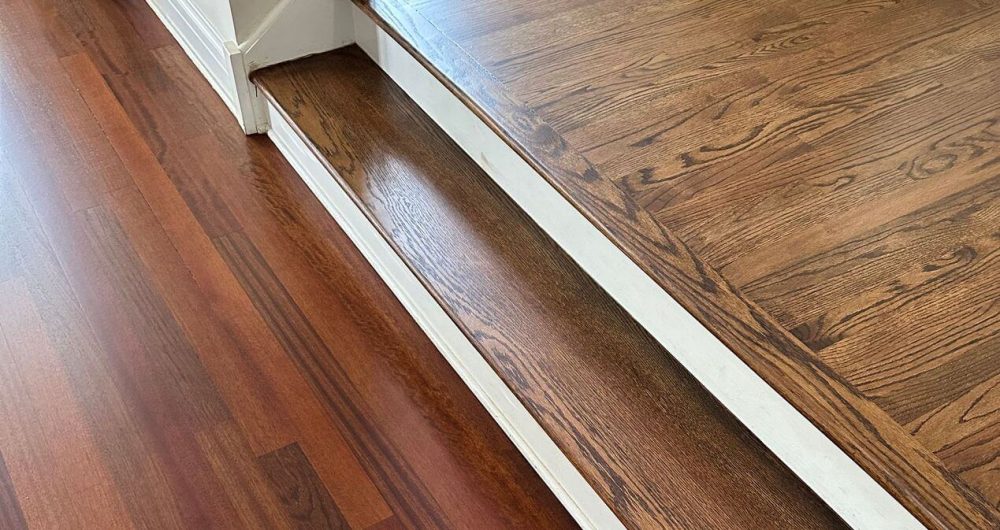
Exotic woods can make a floor look more dramatic, but they usually come with higher price tags and denser materials. Brazilian cherry (2350) and Brazilian walnut (3684) are two of the best-known examples, and both are much harder than most domestic wood species.
- Brazilian cherry has a rich red-brown color and a bold, warm look
- Brazilian walnut is very dark, very dense, and highly durable
- exotic options are often chosen for visual impact more than simplicity
- some can be harder to install because the wood is so dense
- they also usually cost more because the wood is denser and less common
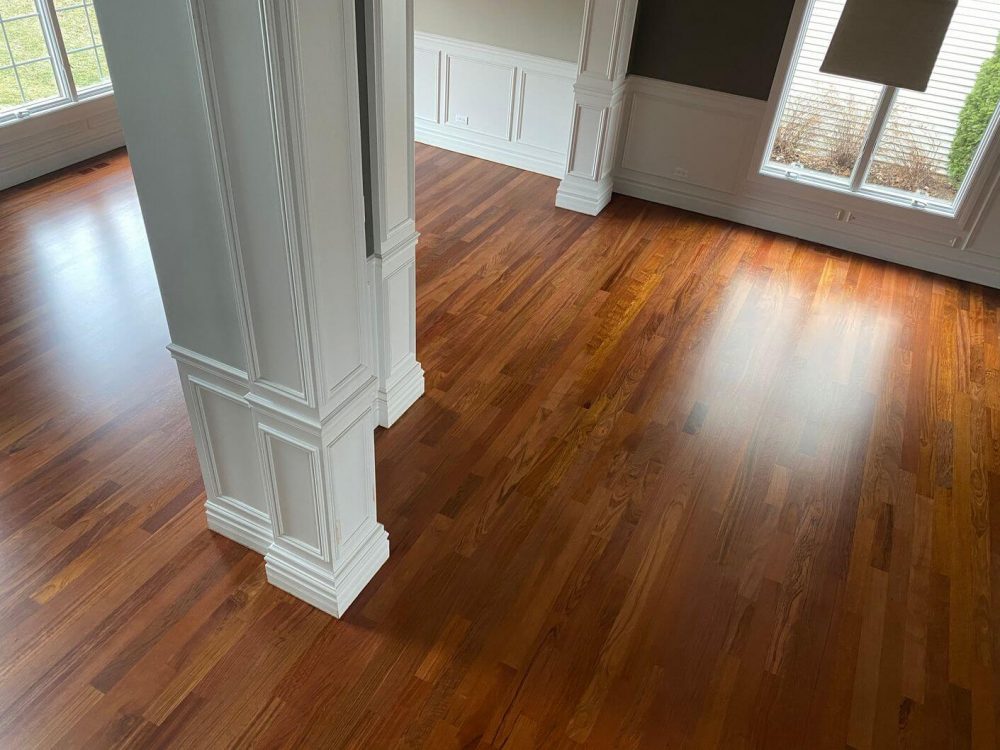
Grain pattern matters more than many homeowners expect. In our projects, about 70% of clients choose oak not just because of durability and price, but because the stronger grain helps hide real life better. Pet marks, light scratches, dust, and everyday traffic usually blend in more easily on oak than on smoother species like maple, where small marks tend to stand out faster.
How to Choose the Best Wood Flooring
The best hardwood flooring is the one that fits the room, the subfloor, the local climate, and the way the house is used every day.
- Start with the room. Dry spaces like living rooms and bedrooms give you more options. Basements, laundry rooms, and other moisture-prone areas usually make more sense for engineered hardwood flooring, because it handles movement from humidity better than solid hardwood. If you want an easier starting point for most main living spaces, white oak and red oak are usually safe choices.
- Check the subfloor first. If the floor is going over a wooden subfloor or plywood, both major flooring types may work. Over concrete slabs, engineered wood floors are usually the safer and more flexible choice.
- Think about your climate. Wood flooring reacts to the air conditions inside the house. In places with dry winters, humid summers, or frequent swings in moisture, engineered hardwood usually gives you fewer problems than a single-piece solid wood flooring board. In that kind of setting, stable, widely used species like oak often make the decision easier than softer woods.
- Set the budget early. Budget shapes the shortlist fast. It affects whether solid wood flooring or engineered flooring makes more sense, which species stay in range, and whether premium finishes or wider boards are realistic for the project. For many homes, red oak is where the search starts because it is widely available, takes stain well, and usually costs less than walnut, cherry, or exotic woods.
- Match the wood to your traffic. In high-traffic areas, harder wood species like oak, maple, and hickory usually hold up better than softer options like walnut or cherry. That matters even more in homes with kids, large dogs, or constant foot traffic.
- Look at the grade, not just species. Two oak floors can feel very different depending on grade. Cleaner grades look calmer and more uniform. Floors with more variation, knots, and color movement usually feel more relaxed and hide real-life wear better.
- Think about the finish now, not later. Prefinished boards are faster to install and easier to live with right away. Unfinished boards give you more control over stain and final color, which helps when you are matching older wood flooring in the next room.
- Keep maintenance realistic. A durable species, a good finish, and proper care usually matter more than chasing the hardest number on paper. If low-fuss living matters most, white oak, red oak, and hickory are usually easier starting points than softer woods like walnut or cherry, which tend to show dents sooner.
| Interior Style | Best Wood Types | Why They Fit Best |
|---|---|---|
| Modern | White Oak, Maple, Ash | Cleaner grain, lighter tone |
| Scandinavian | White Oak, Maple, Birch, Ash | Bright, quiet, natural look |
| Traditional | Red Oak, White Oak, Cherry | Classic color and familiar grain |
| Rustic | Hickory, Pine | More movement, more character |
| Farmhouse | White Oak, Hickory, Pine | Warm and lived-in feel |
| Transitional | White Oak, Red Oak, Walnut | Easy mix of classic and modern |
| Luxury / Formal | Walnut, Brazilian Cherry, Brazilian Walnut | Richer color and stronger visual impact |
| Minimalist | Maple, White Oak, Ash | Less visual noise |
Real hardwood can also be a better fit for healthier indoor air. Unlike carpet, it does not trap the same amount of dust, allergens, and other particles in the surface, and many modern finishes are available in low- or no-VOC options.

Found Your Type? We Install It
Alternatives to Hardwood Floors
Not every flooring choice is real hardwood. Some alternatives cost less, some handle moisture better, and some are simply easier to maintain, but they are different materials and should not be confused with solid hardwood or engineered wood flooring.
- Laminate flooring uses a composite core with a photographic image that imitates wood flooring. It is usually more budget-friendly than hardwood flooring, but it is not real wood and cannot be refinished like solid wood flooring.
- Luxury vinyl plank is a synthetic wood-look flooring product built in multiple layers with a protective wear layer on top. It is popular in kitchens, basements, and other spaces where moisture is a bigger concern.
- Bamboo flooring looks similar to natural wood, but it is not one of the traditional wood species used in hardwood flooring. It is its own category and can vary a lot depending on how it is made.
- Cork flooring is also separate from real hardwood. It feels softer underfoot and quieter than many hard surfaces, which is why some homeowners like it in certain rooms.
Conclusion
There is no single best hardwood floor for every home. The right choice depends on the board type, the wood species, the room, the climate, and how much wear the floor will see over time. Solid hardwood gives you the longest refinishing life, while engineered hardwood flooring gives you more flexibility in rooms with concrete, humidity, or changing conditions. And once you narrow down the construction, the right wood species helps you balance color, grain, durability, and budget.
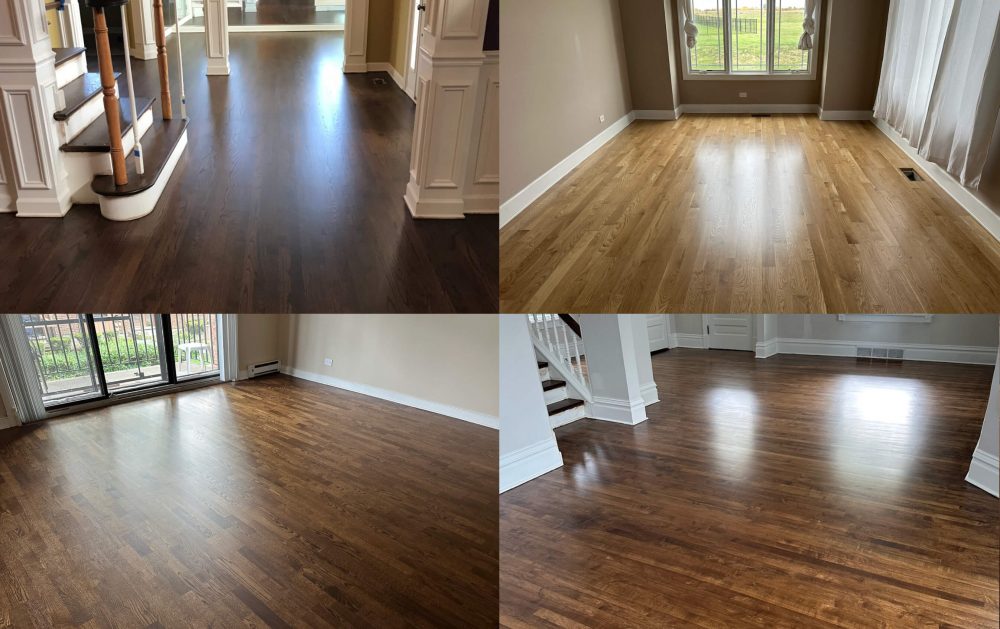
With 17 years of experience, Big Bro Hardwood can help you choose the best type of hardwood flooring for your home, from red oak and white oak to maple, hickory, walnut, and other species. If you are planning a hardwood floor installation in Chicago and want expert advice on the right material, finish, and overall direction for your space, we are here to help.
frequently asked questions
What Type of Hardwood Flooring Works Best Over Radiant Heat?
Engineered wood flooring usually works better over radiant heat than solid hardwood because its multiple layers make it more stable when temperatures change. Solid wood flooring can still work in some cases, but it reacts more to heat and moisture loss.
Do All Types of Wood Flooring Take Stain the Same Way?
No. Different wood species absorb stain differently. Red oak usually takes stain well because of its open grain, while maple can be trickier and often needs more care to get an even result.
What Is the Wear Layer in Engineered Wood Flooring?
The wear layer is the top layer of real wood on engineered hardwood. It is the part you see and walk on, and its thickness affects how many times the floor can be lightly sanded or refinished.
Are Wide Planks a Good Choice for Hardwood Flooring?
Yes, but wide planks show the natural character of the wood more clearly and can also show seasonal movement more than narrower boards. They work best when the house has stable indoor conditions and the right hardwood flooring type for the space.
What Works Better in Bathrooms: Hardwood Flooring or Wood Look Flooring?
For full bathrooms, wood look flooring like luxury vinyl flooring, luxury vinyl plank, or even tile is usually the safer choice because these materials handle water better than real hardwood. A wood floor can work near a bathroom, but inside a wet room, it usually needs much more caution.


Overall rating
5

(1 vote(s))
Comments